The Future of Entertainment: How Technology is Reshaping Our Experiences
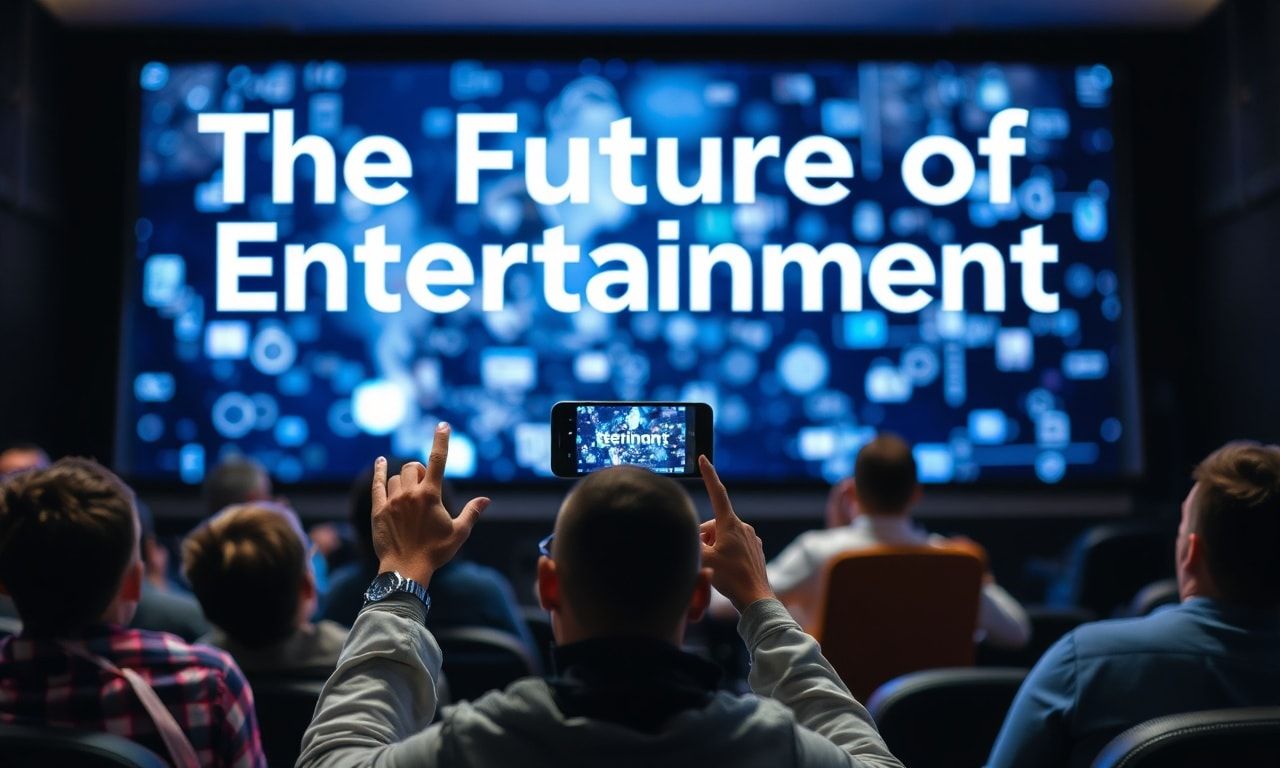
The Evolution of Entertainment
The entertainment industry has undergone a remarkable transformation over the past few decades. From the advent of television to the digital revolution, each technological leap has brought new ways for us to enjoy movies, music, and games. Today, we stand on the brink of another significant shift, driven by advancements in technology that promise to redefine our entertainment experiences.
The Impact of Streaming Services
Streaming services have revolutionized the way we consume content. Platforms like Netflix, Disney+, and Spotify have made it possible to access a vast library of movies, TV shows, and music with just a few clicks. This convenience has led to a decline in traditional media consumption, such as DVD sales and cable TV subscriptions. The rise of streaming has also given independent creators a platform to showcase their work, democratizing the entertainment industry.
The Role of Artificial Intelligence
Artificial Intelligence (AI) is playing an increasingly important role in the entertainment sector. AI algorithms are used to recommend content tailored to individual preferences, enhancing user experience. Additionally, AI is being employed in content creation, from generating music to writing scripts. As we look ahead, the integration of AI in entertainment is expected to grow, with predictions suggesting that by 2026, AI will be a cornerstone of content creation and distribution. For those interested in the latest technology trends 2026, staying updated on AI advancements is crucial.
The Rise of Virtual and Augmented Reality
Virtual Reality (VR) and Augmented Reality (AR) are set to transform the entertainment landscape. VR headsets like the Oculus Rift and PlayStation VR offer immersive gaming experiences, transporting users to virtual worlds. AR, on the other hand, overlays digital elements onto the real world, as seen in games like Pokémon GO. These technologies are not limited to gaming; they are also being explored in film and music, offering new ways to engage with content.
The Future of Gaming
Gaming is one of the most dynamic sectors within the entertainment industry. The introduction of cloud gaming services, such as Google Stadia and Xbox Cloud Gaming, allows players to stream high-quality games without the need for expensive hardware. Moreover, the integration of VR and AR technologies is set to create even more immersive gaming experiences. As we move towards 2026, the gaming industry is poised for significant growth, with innovations in technology driving new forms of interactive entertainment.
The Influence of Social Media
Social media platforms have become integral to the entertainment ecosystem. They provide a space for fans to connect, share experiences, and engage with their favorite celebrities and content creators. Platforms like TikTok and Instagram have given rise to a new generation of influencers who shape trends and drive consumer behavior. The interactive nature of social media also allows for real-time feedback, enabling creators to tailor their content to audience preferences.
The Role of Data Analytics
Data analytics is another key factor in the evolution of entertainment. By analyzing user data, companies can gain insights into consumer preferences and behavior. This information is used to create targeted marketing campaigns, develop new content, and improve user experience. As data analytics continues to advance, its impact on the entertainment industry will only grow, enabling more personalized and engaging experiences for audiences.
Conclusion
The entertainment industry is on the cusp of a new era, driven by technological advancements. From AI and VR to streaming services and social media, these innovations are reshaping how we consume and interact with content. As we look towards the future, staying informed about the latest technology trends 2026 will be essential for both consumers and industry professionals. Embracing these changes will ensure that we continue to enjoy rich, immersive, and personalized entertainment experiences.