The Evolution of Entertainment: From Silver Screens to Smartphones
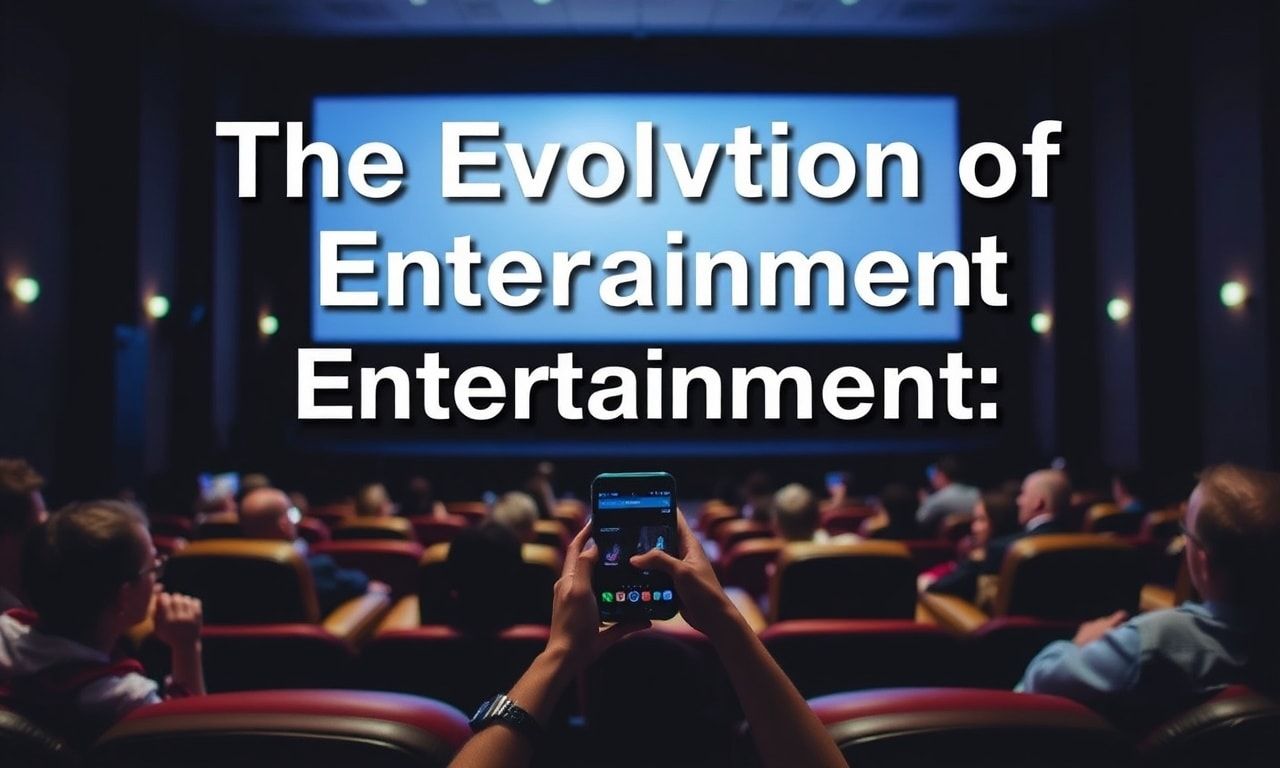
The Golden Age of Cinema
The entertainment industry has undergone a seismic shift over the past century. The early 20th century marked the golden age of cinema, with Hollywood becoming the epicenter of film production. Iconic films like "Gone with the Wind" and "Casablanca" captivated audiences worldwide, setting the stage for the movie magic we know today. The advent of television in the mid-20th century further revolutionized how we consume entertainment, bringing stories into our living rooms.
The Rise of Digital Entertainment
The turn of the millennium brought about a digital revolution. The internet became a hub for entertainment, with streaming services like Netflix and Spotify transforming how we watch movies and listen to music. The convenience of accessing a vast library of content at the click of a button has made digital platforms indispensable. This shift has also democratized content creation, allowing independent filmmakers and musicians to reach global audiences.
The Impact of Social Media
Social media platforms have played a pivotal role in shaping modern entertainment. Platforms like YouTube, Instagram, and TikTok have given rise to a new breed of celebrities—social media influencers. These influencers have leveraged their online presence to create engaging content, from vlogs to challenges, captivating millions of followers. The interactive nature of social media has also fostered a sense of community among fans, who can now directly engage with their favorite stars.
Educational Entertainment
The intersection of education and entertainment has also gained traction. Educational content creators on platforms like YouTube have made learning fun and accessible. For instance, channels dedicated to science, history, and even Perth school news education have garnered significant followings. This blend of entertainment and education has proven to be a powerful tool for engaging audiences of all ages.
The Gaming Revolution
The gaming industry has seen exponential growth, becoming a major player in the entertainment sector. The rise of esports has turned gaming into a spectator sport, with professional gamers competing in high-stakes tournaments. Games like "Fortnite" and "League of Legends" have become cultural phenomena, attracting millions of players and viewers alike. The immersive nature of virtual reality (VR) and augmented reality (AR) technologies has further enhanced the gaming experience, blurring the lines between the virtual and real worlds.
The Future of Entertainment
The future of entertainment is poised to be even more exciting. Advancements in technology, such as artificial intelligence (AI) and machine learning, are set to personalize content consumption like never before. AI algorithms can analyze user preferences to recommend movies, music, and games tailored to individual tastes. Additionally, the integration of VR and AR technologies promises to create more immersive and interactive entertainment experiences. As the industry continues to evolve, one thing is certain: the way we consume entertainment will never be the same.