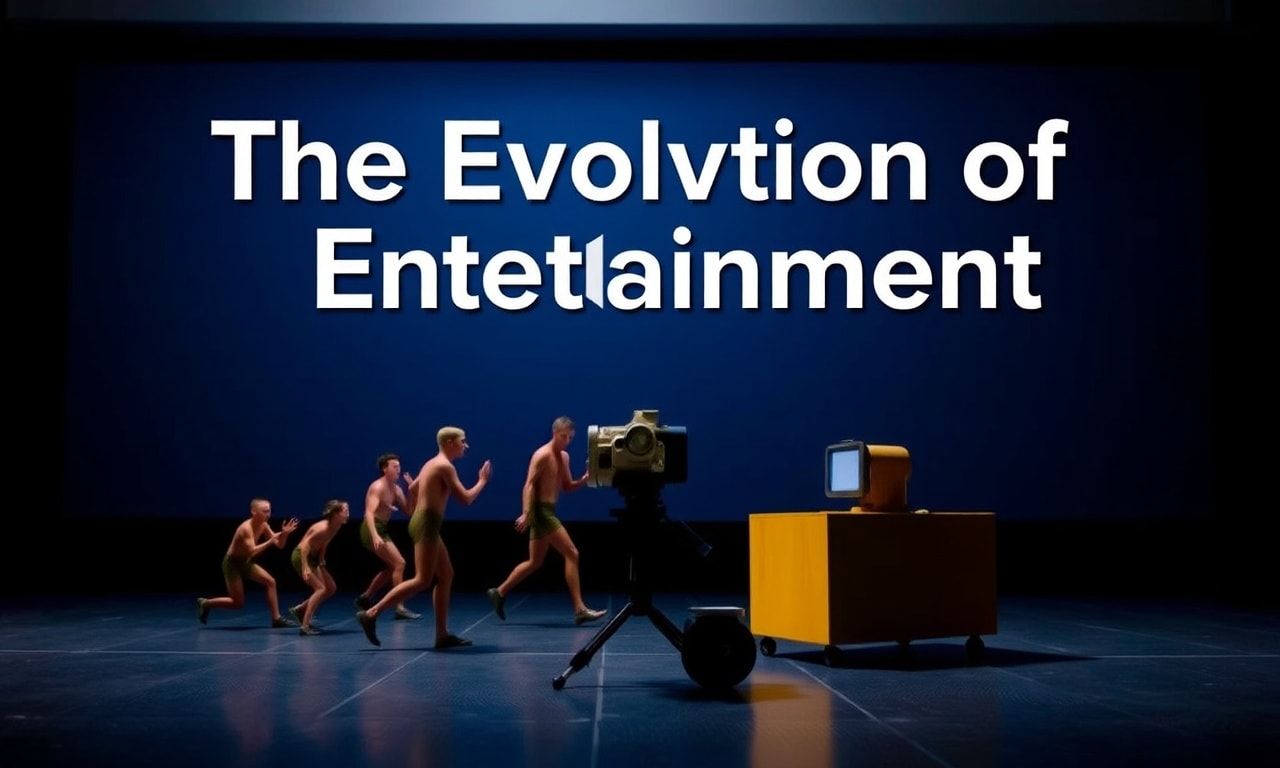
The Evolution of Entertainment: From Silver Screens to Gaming Screens
The Golden Age of Cinema
The entertainment industry has undergone a remarkable transformation over the decades. The golden age of cinema, spanning from the 1920s to the 1960s, introduced the world to iconic films that have stood the test of time. This era was marked by the advent of sound, color, and the establishment of Hollywood as the epicenter of film production. Classic films like ‘Gone with the Wind,’ ‘Casablanca,’ and ‘Singin’ in the Rain’ not only entertained audiences but also shaped cultural narratives and artistic expressions.
During this period, movie theaters became social hubs where families and friends gathered to enjoy the latest releases. The experience of watching a film on the big screen was unparalleled, with elaborate pre-shows and live orchestras enhancing the overall experience. The golden age of cinema laid the foundation for the modern film industry, influencing everything from storytelling techniques to special effects.
The Rise of Television
As the 20th century progressed, television emerged as a powerful medium that brought entertainment into the comfort of people’s homes. The 1950s and 1960s saw the rise of television shows that became cultural phenomena, such as ‘I Love Lucy,’ ‘The Twilight Zone,’ and ‘The Ed Sullivan Show.’ These programs not only provided entertainment but also reflected and influenced societal norms and values.
Television’s impact on the entertainment industry was profound. It democratized access to content, allowing a broader audience to enjoy high-quality programming. The advent of television also paved the way for new forms of entertainment, including reality TV, talk shows, and news programs. The rise of television networks like NBC, ABC, and CBS further solidified the medium’s role in shaping popular culture.
The Digital Revolution
The late 20th and early 21st centuries witnessed a digital revolution that transformed the entertainment landscape. The internet, coupled with advancements in technology, enabled the creation and distribution of content on an unprecedented scale. Streaming services like Netflix, Hulu, and Amazon Prime Video revolutionized the way people consume movies and TV shows, offering on-demand access to a vast library of content.
This digital shift also democratized content creation, allowing independent filmmakers and creators to reach global audiences. Platforms like YouTube and Vimeo provided a space for aspiring artists to showcase their work, fostering a new wave of creativity and innovation. The digital revolution has not only changed how we consume entertainment but also how we interact with it, through social media and online communities.
The Gaming Revolution
The gaming industry has experienced a meteoric rise, becoming a dominant force in the entertainment sector. From the early days of arcade games like ‘Pac-Man’ and ‘Space Invaders’ to the sophisticated, immersive experiences of modern consoles and PCs, gaming has evolved into a multi-billion-dollar industry. Games like ‘Fortnite,’ ‘Minecraft,’ and ‘The Legend of Zelda’ have captivated audiences worldwide, offering not just entertainment but also social interaction and competitive play.
Gaming has also become a platform for storytelling and artistic expression. Titles like ‘The Last of Us,’ ‘Red Dead Redemption 2,’ and ‘God of War’ have been praised for their compelling narratives and cinematic quality. The integration of advanced graphics, virtual reality, and augmented reality has further enhanced the gaming experience, blurring the lines between virtual and real-world entertainment.
The Future of Entertainment
The future of entertainment is poised to be even more immersive and interactive. Advancements in technology, such as virtual reality (VR) and augmented reality (AR), are set to revolutionize the way we experience movies, TV shows, and games. Imagine stepping into a virtual world where you can interact with your favorite characters or explore fantastical landscapes. These technologies have the potential to create deeply personal and engaging entertainment experiences.
Additionally, the rise of artificial intelligence (AI) and machine learning is expected to play a significant role in shaping the future of entertainment. AI can be used to personalize content recommendations, enhance special effects, and even create new forms of interactive storytelling. The integration of AI with other emerging technologies like 5G and the Internet of Things (IoT) will further expand the possibilities for entertainment.
As we look to the future, one thing is clear: the entertainment industry will continue to evolve, driven by technological advancements and changing consumer preferences. From the golden age of cinema to the digital revolution and the rise of gaming, the entertainment landscape has undergone a remarkable transformation. The next chapter in this evolution promises to be even more exciting, offering new ways to experience and interact with the world of entertainment.
Ever wondered how kids’ entertainment has transformed over the years? Dive into the evolution of children’s entertainment and discover how movies, TV, and gaming have shaped young minds.
Ever wondered how your favorite stars stay in top shape? Dive into healthy living tips that combine nutrition, exercise, and mental well-being for a balanced life.
While we're all about binge-watching and gaming, let's not forget to invest in our future – check out smart saving and investment tips to secure yours!