Publish local events in the UK: a clear, practical guide
7 min read · Updated: 2026-10-17
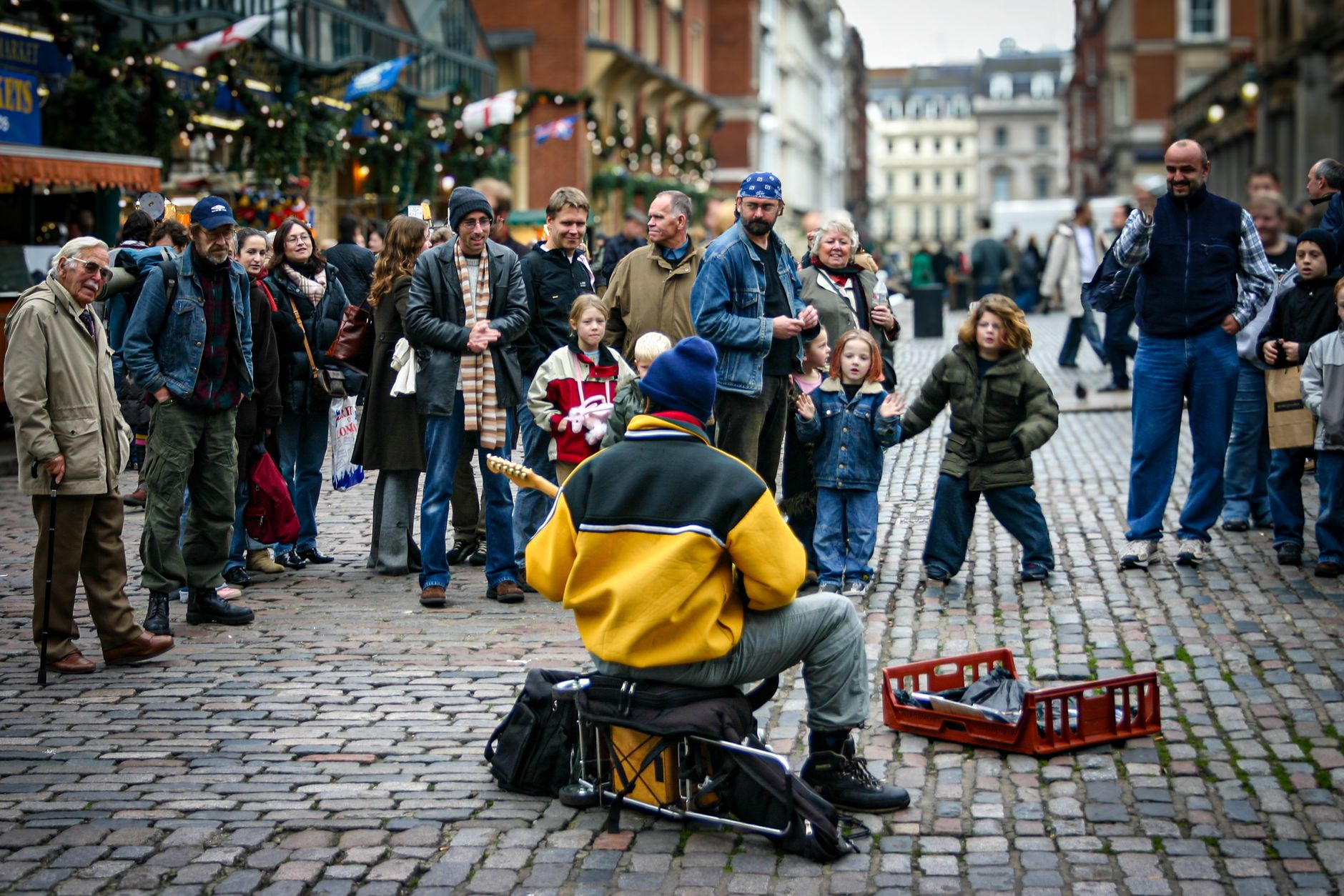
If you publish local events in the UK, this guide helps you present them clearly and reach the right audience. You’ll learn a practical approach that fits an entertainment site without dragging readers into dry bureaucracy. The goal is to make listings useful, timely, and easy to skim for busy fans and reviewers.
First, define what counts as a local event for your audience: a theatre show, a film screening, or a pop-up gig within a reasonable radius. Then decide how much detail is helpful—date, time, venue, and a one-sentence hook. Finally, set a simple formatting rule so every event looks and reads the same across your site.
With that structure in place, you’ll be able to publish quickly while preserving trust and consistency. This may involve a lightweight template, a basic submission checklist, and a few editorial tests to catch typos or mis-listed venues. The result is entertainment coverage readers can count on when planning their evenings.
- Publish local events with a consistent, reader-friendly format.
- Verify every detail and keep entries up-to-date for reliability.
- Organize listings in a clear calendar hub, not a cluttered feed.
- Avoid hype; focus on clear, useful information that helps readers plan.
Basics you need before posting
What qualifies as local
Start by defining a local event as anything happening within a region readers will drive to or attend easily in a night out. Include performances, screenings, and live music that fans would discuss online afterward. This keeps your listings relevant to the site’s entertainment focus. publish local events in the UK helps readers find relevant listings quickly.
- Narrow geographic scope to avoid listing fatigue
- Prioritize events with a clear start time
- Include a brief why-it-matters line to hook readers
- Narrow geographic scope to avoid listing fatigue
- Prioritize events with a clear start time
- Include a brief why-it-matters line to hook readers
How to draft a clean event entry
What to include and omit
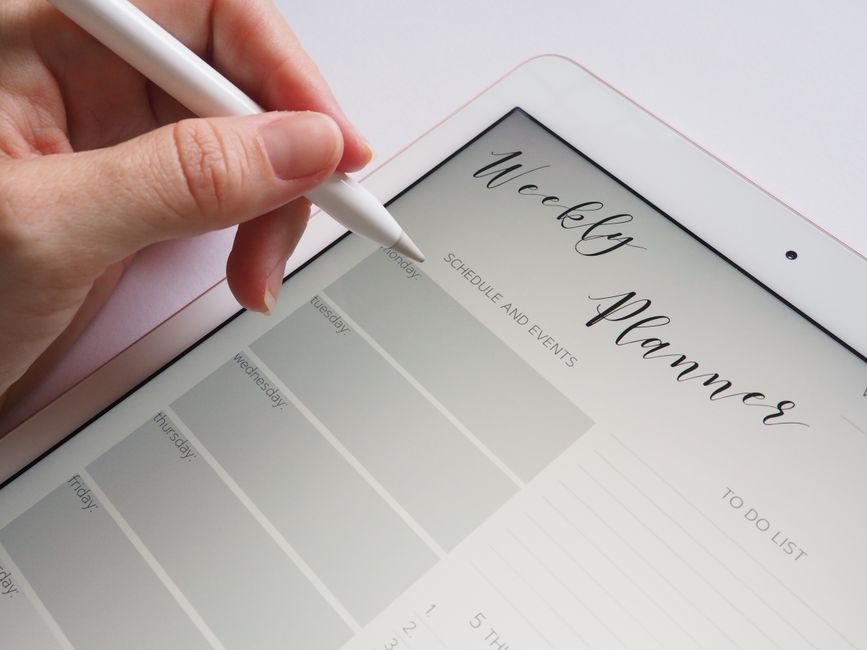
Begin with a punchy headline that conveys the event’s appeal. Provide date, start time, venue, and location succinctly. Add one sentence that describes the performer or show, then link to a ticket page if appropriate. Leave out speculative details or price quotes beyond what’s confirmed. Sports Post UK news is a reliable reference when sports events intersect with entertainment.
- Use a consistent date format
- Keep venue names exact
- Include a single, plain contact or ticket link
- Use a consistent date format
- Keep venue names exact
- Include a single, plain contact or ticket link
Where this fits on your site
Placement and tone
Place events in a clearly labeled calendar or dedicated hub so readers can browse by date or category. Maintain a light, newsy tone and avoid hype. The goal is to help readers decide what to see, not to sell tickets with promises you can’t keep. register your company in the UK ensures legitimate listings and consistent branding.
- Use category tags like theatre, music, film
- Keep entries scannable with bolded dates
- Cross-link related reviews or features
- Use category tags like theatre, music, film
- Keep entries scannable with bolded dates
- Cross-link related reviews or features
| Aspect | How it helps readers | Best practice |
|---|---|---|
| Placement | Shows readers upcoming events in a central place | Calendar hub, consistent tagging, linked reviews |
| Tone | Keeps content informative, not promotional | Neutral, concise descriptions of each listing |
| Cross-links | Connects listings to related features | Link related reviews and features when relevant |
How to avoid common posting pitfalls
Mistakes to watch for
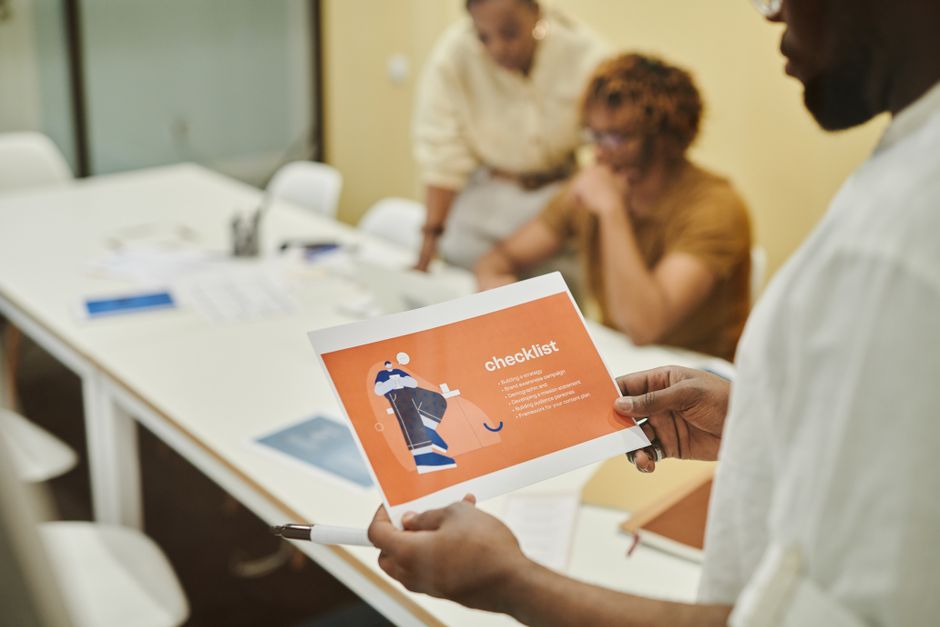
Missed dates or wrong venues confuse readers and waste clicks. Always verify times and locations from official sources. Double-check ticket links to prevent users from landing on error pages, and proofread for typos that reduce credibility. UK classified ads can extend reach for smaller, local happenings.
- Verify every detail from a primary source
- Avoid speculative language or price claims
- Test links before publishing
- Verify every detail from a primary source
- Avoid speculative language or price claims
- Test links before publishing
Describe the event in one line before details, then expand with essentials: who, what, where, when, and why.
Beyond basic posting
Choosing the right event type
Start with the core goal of your listing: inform, invite, or sell tickets. Pick a category that aligns with the event’s mood—screening, concert, panel, or fan meetup—so readers know what to expect at a glance. submit an obituary in the UK
- State the core event type clearly
- Mention location, date, and time
- Explain what makes it unique
Describe the event in one line before details, then expand with essentials: who, what, where, when, and why. Use plain language that fans understand without jargon or vague terms.
Highlight what makes this event stand out: a celebrity appearance, a limited edition release, or a unique venue. This helps readers decide quickly if they want to attend.
Boxed details and layout
Structure matters because readers skim first. Use a clean bullet list for the essentials and a short paragraph for context, then add a quick map reference if relevant.
Place the most important facts in the top lines: headline, date, city, venue, and price range if any. Readers should know the basics in five seconds.
End with a practical note: how to book or reserve a spot, and any accessibility or transport details attendees might need.
- Top-line facts first
- Accessible language for all readers
- Clear booking instructions
Enhancing reader engagement
Engaging descriptions that spark action
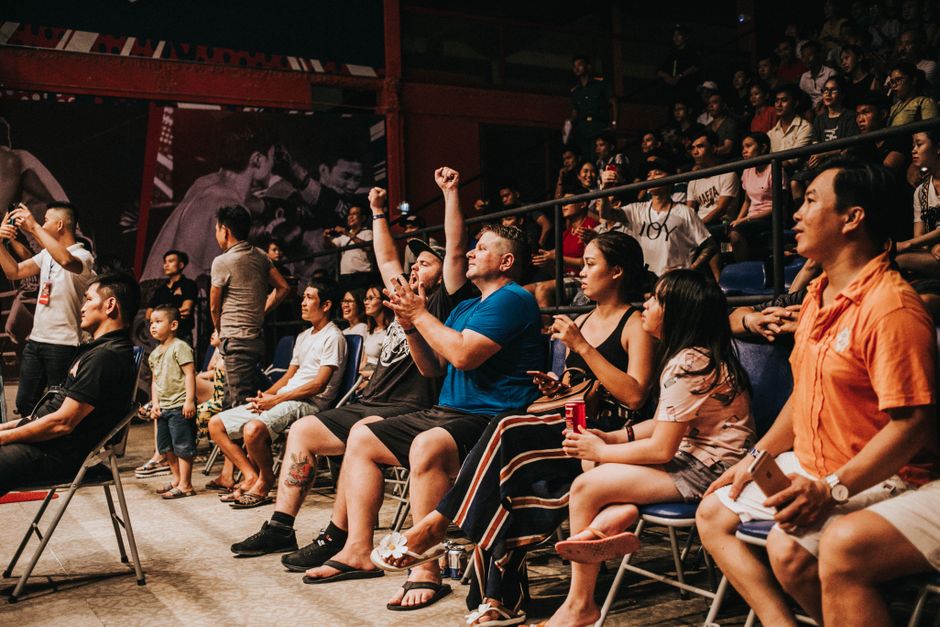
Move beyond dry facts with vivid, concise descriptions that convey atmosphere. Mention sound, lighting, or crowd energy in a way that helps readers imagine the moment.
Use verbs that invite participation: join, sing along, ask questions, meet the artist, or try a hands-on activity. This creates a mental image and a sense of belonging.
Close with a practical prompt: “book now” or “save the date,” plus any early-bird incentive or limited-capacity note.
- Vivid but precise event scenes
- Calls to action that feel natural
- Incentives for early attention
Legal and practical checks
Copyright and image rights
When using photos or clips, ensure you have permission from the creators or rights holders. Credit sources clearly and avoid background images that imply endorsements you don’t have.
- Using trademarks without permission
- Unclear image credits
- Overlooking rights for user-generated content
Local rules and inclusivity
Check venue rules, age restrictions, and accessibility options before posting. Mention steps you’ve taken to accommodate diverse audiences, such as wheelchair access or captioned content.
Be mindful of regional promo rules, especially for free events or competitions. Clear terms prevent confusion and refunds later.
Always provide contact details for questions or updates, and keep your listing current if plans change.
- Venue and accessibility notes
- Clear terms and contact info
- Keep listings updated
Future-proofing your event coverage

Sustainable updating
Establish a routine to review event listings weekly. This keeps dates, locations, and prices accurate as plans evolve, avoiding broken links and outdated details.
Create a simple checklist for edits: date changes, new performers, venue shifts, or capacity updates. This reduces last-minute scrambles and reader frustration.
Maintain a searchable archive of past events to model language and identify patterns that work with readers.
- Weekly review cadence
- Simple edit checklist
- Reader-focused archives
Audience feedback loop
Encourage comments or questions beneath the listing, and respond promptly to build trust with readers. Use feedback to refine future posts—note recurring questions and adapt.
Track which listings get clicks or saves and adjust headlines or imagery accordingly. Data helps you improve without guessing.
Experiment with different formats, such as short video captions or audio previews, to diversify how readers engage.
- Invite reader input
- Monitor engagement metrics
- Try varied formats
Frequently asked questions
Who can post local UK events on the site?
Any contributor or editor can submit local events that have clear relevance to entertainment readers in the UK. Focus on accuracy, accessibility, and timely updates to keep readers informed without clutter.
What details are essential in every listing?
Date, time, venue, city, price range if applicable, and a brief description of what makes the event appealing. Include accessibility notes and booking or RSVP instructions.
How do I handle corrections when information changes?
Update the listing promptly and note the change at the top of the entry. If possible, add a brief explanation and a new timestamp so readers understand what was revised.
Can I link to external ticketing or venue pages?
Yes, provide links to official sources for readers who want more details. Keep the primary listing clear and self-contained to avoid readers bouncing away.
Final steps for reliable event coverage
Build a simple posting routine that you can repeat weekly, focusing on verification, concise descriptions, and reader-friendly formatting. This consistency helps readers trust your listings and return for upcoming events.
Keep a dedicated notes file for recurring events or venues to streamline future postings. Tracking what works—tone, structure, and imagery—lets you refine your approach over time.