Publish a death notice in the UK: a practical guide for entertainment fans

7 min read · Updated: 2026-10-19
If you’re writing about death notices for an entertainment audience, you’ll want a process that’s respectful, precise, and practical. This guide explains when and why you might publish a death notice in the UK, and what to expect from the system. You’ll learn the steps, the best phrasing, and how to avoid common mistakes while keeping content engaging for fans.
In entertainment coverage, notices can shape reader perception and set the tone for tributes or industry retrospectives. I’ll walk you through clear steps—from confirming timing to choosing the right publication path—so you can proceed confidently. Expect concrete examples, precise language, and plenty of pitfalls to sidestep.
Finally, we’ll cover how to balance sensitivity with audience interest, ensuring your piece respects both the person cited and the fans who want to mark the moment. You’ll finish with a solid plan for factual accuracy, readability, and timely publication.
- Know the notice type and publication window before you begin.
- Choose outlets that match audience expectations and tone.
- Write clearly, with verified facts and consistent formatting.
- Plan for both traditional and digital paths to reach fans effectively.
Basics of publishing in the UK
Legal basics and timelines
First, verify the notice type and the publication window. UK procedures vary by region, so confirm any regional rules that affect timing. This helps you coordinate with editors and ensure clear deadlines for your piece. publish a death notice in the UK is a phrase that signals the official process readers may encounter, especially when covering entertainment figures.
Second, determine if the notice is paid or free, and who covers the cost. Most outlets require a short, factual notice, while some regional papers offer longer obits for a fee. Clarity on cost avoids last-minute edits and confusion.
Third, check for permissions or family requests about content or wording. Respecting wishes protects your publication from disputes and keeps the piece respectful for readers.
- Identify notice type early
- Confirm regional timing
- Clarify costs and permissions
- Respect family requests
Choosing the right outlet
Consider where the audience will most likely encounter the notice. Entertainment readers often follow industry trades, major tabloids, or national outlets with weekend editions. Match the outlet’s tone to your piece so it feels appropriate to fans.
Factor in reach and editorial style. A wider-appeal newspaper may require a concise notice, while a niche entertainment site can accommodate a longer tribute with context around the person’s career.
Coordinate with editors to fit the notice into a relevant feature or obituary slot, if the publication has one.
- Assess audience and tone
- Match outlet style
- Coordinate editorial fit
How notices impact readers
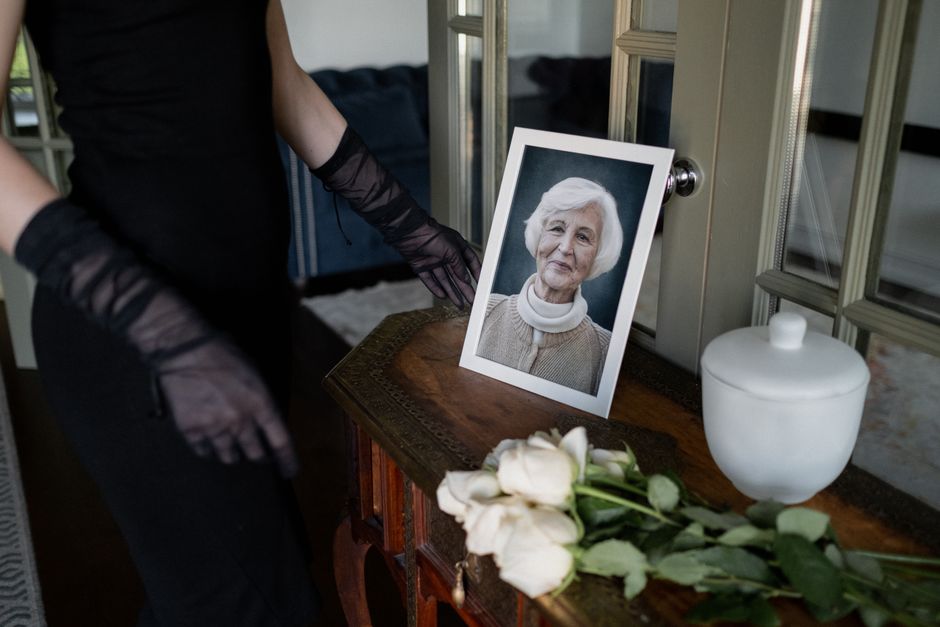
Reader expectations and tone
Fans expect respect, accuracy, and a clear connection to the subject’s work. Set a calm, informative tone that foregrounds the person’s contributions. Avoid gossip or speculative details. A useful resource on this topic: Subway Surfer UK news.
- Lead with the person’s most recognized work.
- Mention one or two verifiable achievements.
- Keep the bio concise and accurate.
A well-crafted notice can become a touchstone for fans revisiting a show, film, or album. Include a short note on why the person mattered to their audience.
If the piece appears in a recap or tribute, ensure the context links to ongoing projects or past achievements.
- Respectful tone
- Clear contribution
- No speculation
Practical writing tips
Use straightforward sentence structure and familiar terms. Readers absorb information faster when the sentences are concise and well-punctuated. Present dates and roles in a consistent format.
Avoid overlong paragraphs; break up with short sentences that carry distinct ideas. This helps fans scan for key facts such as career milestones and dates.
End with a note on where readers can find more information or related tributes if relevant.
- Concise sentences
- Consistent date formatting
- Clear call to related tributes
Options for publication paths
Traditional memorial notices
Traditional notices run in newspapers with pre-set formats. They’re dependable for older readers and regional audiences who expect a classic style. This path suits straightforward announcements with minimal embellishment. list your event in the UK is a useful phrase for event listings that appear in entertainment calendars and local notices.
Prepare a clean, factual sentence: name, age, date, and a short line about the person’s career. This keeps the notice legible for readers who skim quickly.
Ask editors about space, placement, and any style guides the paper uses to ensure consistent presentation.
- Classic format
- Regional reach
- Edit guidance only
| Option | Pros | Cons |
|---|---|---|
| Traditional notices | S solid regional reach | Less flexibility on length |
| Digital notices | Faster reach and richer content | Requires extra accessibility steps |
| Cross-posting | Wider fan engagement | Needs coordination and permissions |
Digital notices and social echoes
Online notices reach a broad audience fast and can include links to tributes, fan posts, or charity pages. They’re flexible and can incorporate longer bios or multimedia elements.
Plan for metadata and accessibility: use clear headings and alt text for images so searchers and fans with assistive tech can follow.
Coordinate cross-posting with official social channels or fan pages if allowed.
- Broad reach
- Longer bios possible
- Accessibility matters
Verify the deceased’s full name, date of death, and any posthumous honours that may appear in notices.
How to verify details quickly

Double-check official records
Start with official death records or local notices to confirm the date and spelling of names. Cross-check against family announcements to catch discrepancies early. Accurate details prevent confusion for readers and avoid ongoing corrections. add your business listing in the UK often appears in entertainment industry directories and local guides for fans and colleagues.
Verify the deceased’s full name, date of death, and any posthumous honours that may appear in notices. Inaccuracies can sow doubt and undermine the tribute’s credibility. Take notes as you go to reference later.
A small team can split tasks: one person checks the coroners or registrar’s site, another scans major news outlets for notices, and a third confirms with relatives if possible.
- Cross-check spellings
- Confirm dates
- Note any aliases
- Record contact points
- Keep a change log
Cost and legal checks for notices
Understand publishing rules
Different outlets have varying rules on what constitutes a suitable death notice. Some require verified local ties, others accept generic notices with family consent. Know the policy before drafting to avoid refusals. advertise a job vacancy in the UK
- ☐ Clarify whether fees cover digital and print
- ☐ Ask about any proofreading or corrections policy
- ☐ Confirm payment timelines and cancellation terms
- ☐ Request a receipt or confirmation email
Legal checks cover consent, defamation risk, and privacy rights. Ensure you have written permission from the family to publish the notice, and avoid sensitive details that are not appropriate for a public audience.
Drafts should present essential facts plainly: name, date, venue, and a short tribute. Avoid embellishment that could mislead readers or violate guidelines.
- Check local versus national reach
- Confirm consent in writing
- Know the publication schedule
- Be mindful of sensitive details
- Preserve privacy where needed
Building a respectful tribute

Crafting a compassionate paragraph
Begin with a clear, respectful tone that honors the deceased. A short, specific achievement or favorite trait can anchor the tribute without drifting into gossip.
- Open with the person’s name and a gentle descriptor
- Mention a memorable trait or moment
- Offer a concise invitation to honor their memory
Use accessible language and avoid clichés. Readers connect with personal details that feel authentic and empathetic. Aim for a balance between memory and readability.
End with practical information for readers who want to pay respects, such as service details or how to send condolences, if appropriate.
- Lead with a simple statement
- Include one personal detail
- Provide practical next steps
- End with a call for support if relevant
Common mistakes to avoid
Overloading the notice
Avoid crowded text with too many dates or acronyms. Overloading makes readers skim and miss key details. Prioritize essential facts and a single, respectful tone.
Be careful with hypothetical timelines or vague phrases. Specificity helps readers understand the event and response expectations.
Always review for errors in names, dates, and venues before publishing to prevent the need for corrections later.
- Too many dates
- Unclear contact info
- Excessive sentimental language
- Unverified achievements
- Inconsistent formatting
Frequently asked questions
Can I publish a death notice for someone I did not meet personally?
Some outlets accept notices based on verifiable information from family members or funeral homes. If you lack a direct connection, ensure you have written consent and solid sources before publishing.
How soon should a notice appear after a death?
Publishers typically aim for speed while ensuring accuracy. Confirm details with the family and use a standard format to avoid delays or the need for later edits.
What if there are conflicting details?
If details clash, hold publication and contact the family or executor for clarification. Document what you were unable to confirm and revise the notice before posting.
Are there privacy concerns with sensitive information?
Yes. Avoid sharing personal health information or unverified allegations. Focus on public, respectful facts and invite readers to offer condolences if appropriate.
Conclusion of the guide
Final reminder: Treat notices with the same care you’d give a feature on a beloved performer. Clarity and respect help fans process grief while preserving the dignity of the deceased.
Next steps: send a draft to the editor for review, then coordinate with the legal and ethics teams to confirm compliance and sensitivity before publishing.