Practical viewer guide: the essentials for online media fans
6 min read · Updated: 2026-10-17
You want solid, practical guidance for navigating entertainment news and related online resources. This guide offers a straightforward checklist you can use in everyday browsing, watching, and sharing. It focuses on clear steps, concrete examples, and practical cautions to help you stay informed without overcomplication.
From basics to smarter choices, you’ll learn what matters: reliable sources, how to verify facts, and how to balance entertainment with information. Each paragraph provides a concrete takeaway you can apply immediately. The goal is to make your viewing and reading more enjoyable and less confusing.
Read on to build a routine that fits your entertainment needs, whether you’re streaming, gaming, or following celebrities. The checklist uses real-world steps you can copy, with little friction. You’ll leave knowing how to spot credible updates and where to look for reliable context.
- This guide helps you build a reliable, easy-to-use routine for entertainment news and related online resources.
- Learn how to choose sources, verify claims, and balance quick reads with longer explainers.
- You’ll gain practical steps, concrete examples, and clear warnings to navigate the online landscape confidently.
Basics start here
Foundational sources
Begin with known, reputable outlets that cover entertainment and gaming with consistent updates. Check how they present facts, whether they show multiple viewpoints, and if they correct mistakes transparently. Use these signals to shape your trusted list before you dive deeper. Online Gamer News USA news
Identify the kind of content you prefer—news, features, or reviews—and tailor your bookmarks accordingly. This keeps your feed focused and reduces noise. Practical example: start with two or three mainstream outlets plus one specialist site.
- Create a short, trusted source list
- Note how they cite sources
- Bookmark their most active sections
- Set a weekly listening or reading habit
Plan your consumption
Scheduling your updates
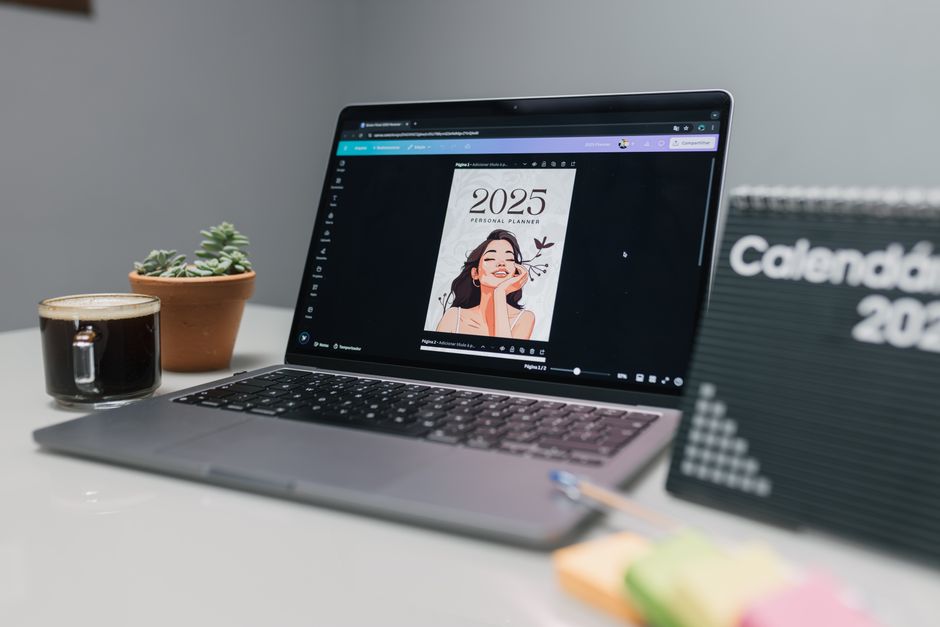
Block out specific times for news, reviews, and features so you don’t chase every headline. A predictable rhythm helps you digest context and form opinions without rushing. Example: reserve mornings for headlines and evenings for in-depth pieces. A useful resource on this topic: community events in the USA.
Use a simple routine: skim headlines, read one in-depth piece, then save or share what you found useful. This keeps your attention focused and avoids information overload.
- Set two daily reading windows
- Choose one long-form piece per day
- Limit alerts to essential topics
- Keep a notebook for quick notes
Explore options
Different formats
Entertainment coverage appears as articles, videos, podcasts, and threads. Each format has strengths for different kinds of information. For quick facts, browse short articles; for context, listen to a podcast with guests who explain industry trends. A useful resource on this topic: promote your business in the USA.
If you prefer visuals, look for explainers with diagrams or timelines. They help you see how events connect and how recent news relates to older developments.
When in doubt, compare two sources to identify where their interpretations align or diverge. This practice sharpens judgment without requiring expert knowledge.
- Choose 1 article, 1 video, 1 podcast daily
- Use explainers for complex topics
- Compare two outlets on the same issue
- Save longer reads for later
| Format | Pros | Cons |
|---|---|---|
| Article | Quick updates | Less depth |
| Video | Visual context | Longer to consume |
| Podcast | In-depth discussions | Requires listening time |
Entertainment cycles move fast, but old statements can cling if not properly framed.
Watch for traps

Avoid common mistakes
Relying on a single source can distort your view; diversify to balance biases. Be cautious with sensational headlines that promise drastic conclusions without supporting details. A useful resource on this topic: rooms and property to rent in the USA.
- Avoid echo chambers by mixing outlets
- Always note the publication date
- Question sensational claims with evidence
- Look for disclosed affiliations
Check dates and context to avoid outdated or misrepresented claims. Entertainment cycles move fast, but old statements can cling if not properly framed.
Be mindful of sponsorships or affiliate ties that could color coverage. Seek transparent disclosures and independent corroboration when a claim matters to your viewing plan.
- Diversify sources
- Verify dates and context
- Watch for bias or sponsorships
- Cross-check critical facts
deeper dives
Content discovery strategies
Start with a clear goal for each viewing session to avoid aimless scrolling. Try a quick audit of your recent likes and dislikes to recalibrate recommendations. Use a couple of curated playlists to build a trusted rhythm for the week, then mix in a few new picks to test your taste. publish a death notice in the USA is an important service for families seeking a respectful way to share news with the community.
Structure your week around themes, not just random drops. Create a short list of must-watch titles and a separate list of maybes to rotate. This keeps motivation high and reduces decision fatigue.
A practical approach is to schedule 15 minutes for browsing, then commit to watching one title. If it doesn’t engage you, move on without guilt and try something else at a set time.
- Set a theme for each session
- Limit your browsing window
- Note down what worked for future picks
reader toolkit

Tools for a smooth watch
A reliable streaming device and a steady internet connection form the backbone of a smooth viewing experience. Keep a spare HDMI cable and a basic remote within reach so setup never drains your time. These small fixes prevent friction between you and the next episode.
- ☐ Ensure streaming device is updated.
- ☐ Keep cables organized.
- ☐ Place remote and charger within reach.
Use a simple note system to track discoveries and a 1-2 sentence takeaway for each title. This habit builds your personal archive and makes it easy to revisit favorites without rewatching everything.
Create a weekly ritual: a specific time to check new releases, with a short list of titles you’re curious about. It’s a practical way to stay engaged without feeling overwhelmed.
- Basic setup checklist
- Light note-taking habit
- Weekly browsing ritual
community angles
Fan conversations that add value
Engage in discussions that offer new angles on familiar titles. Look for conversations that analyze craft, performance, and pacing rather than only reactions. This shifts entertainment from passive viewing to active interpretation.
Share thoughtful questions after a screening: what did the director emphasize, or how did the score shape a scene? These prompts invite peers to expand the conversation beyond surface level.
Join or form small, topic-specific groups where members post quick takes and links to related content. Quality contributions beat loud noise every time.
- Ask meaningful questions
- Share constructive critique
- Curate group topics
entertainment ethics

Responsible streaming habits
Ethical viewing starts with respecting creators and distributors. Before sharing links, check if it’s legal for your region and your platform’s terms. This reduces friction and protects everyone involved in the cycle.
Avoid pirated streams or unverified downloads; they often carry risks like malware and interrupted viewing. Choose official channels and reputable aggregators to support creators fairly.
Be mindful of how you discuss spoilers and plot twists. Give others a fair chance to experience the story without ruining surprises.
- Support legitimate sources
- Avoid leaked content
- Respect spoiler norms
Frequently asked questions
What counts as responsible streaming?
Responsible streaming means using legitimate sources, respecting creators’ rights, and avoiding piracy. It also involves safeguarding your devices, checking regional availability, and choosing platforms that align with your viewing goals. Start with one official app and expand gradually as needed.
How can I avoid spoilers?
To minimize spoilers, curate groups or feeds with clear guidelines, mute or skip discussions that reveal twists, and schedule your watching to avoid leaks. If spoilers slip in, give yourself a spoiler-free window before diving back into conversations.
Are there quick ways to organize my watchlist?
Yes. Create two lists: a short-term queue of titles you want to see within the next week, and a longer-term wish list for later. Add brief notes like why you’re curious or what you expect, which makes later decisions easier.
What should I do if a link is suspicious?
If a link seems suspicious, don’t click. Check the source, verify the site’s legitimacy, and report it if needed. Use official channels or trusted aggregators to find legitimate copies or streams.
Conclusion
This guide helps you turn casual viewing into a structured, enjoyable habit. Start small, stay consistent, and let your preferences guide the pace.
With a clear toolkit and a few trusted routines, you’ll find better titles, less clutter, and more moments to share with friends. Take one concrete step today and build from there.