How to use local resources for entertainment insights

9 min read · Updated: 2026-10-17
If you want smarter ways to find local buzz that informs your entertainment choices, start with a clear plan. This guide shows how to use everyday UK resources to discover nearby events, venues, and services that shape what you watch, hear, and enjoy. You’ll learn concrete steps you can take this week to connect with local culture and qualify those discoveries for your next review or night out.
First, identify where high-quality local tips live—trade papers, community boards, and trusted directories—then learn how to verify what you find. The aim is to turn casual browsing into actionable leads for shows, gigs, and collaborations. Expect practical steps, real-world examples, and a healthy skepticism for hype.
From there, you’ll see how to assess sources for relevance, reliability, and timeliness. You’ll also get tips for organizing what you learn so it feeds your entertainment rhythm rather than clutters it. The result is a repeatable process that keeps you ahead of local trends without chasing every passerby rumor.
- Use trusted UK resources to surface local entertainment leads. Verify every detail before planning. Build a rolling calendar that aligns with your reviews and releases. Engage with communities to gain fresh, reliable tips. Save and organize findings so you can reuse them in future features. This approach keeps your suggestions grounded and practical.
- Prioritize sources with up-to-date listings and easy verification. Treat each lead as a hypothesis and confirm it with at least one second source. Track changes and update your calendar weekly to stay ahead of the curve.
- Combine directories, events, and community tips to craft a local flavor for your content. A well-managed map of options translates into richer recommendations for readers.
- If you document what you learn and share it thoughtfully, you turn local chatter into trusted entertainment guidance for your audience.
Basics: finding local signals
How to spot reliable sources
Begin with clearly defined sources: official directories, veteran community pages, and established local outlets. Compare what multiple outlets report to filter noise. Look for consistency in event dates, venue details, and ticketing steps. local business directory in the UK helps you locate nearby venues and services that shape your entertainment options.
- ☐ Pick 2-3 trusted local sources
- ☐ Note the current month’s events
- ☐ Verify dates and venues
- ☐ Record outcomes for future reference
You’ll save time by sticking to one or two trusted directories for most inquiries. When something seems off, cross-check with a second source before you commit time or money. This habit keeps your recommendations useful and trustworthy.
Use a simple checklist to vet each lead: date, location, and accessibility. If a detail is missing, pause and search for confirmation instead of guessing.
Translating finds into entertainment choices
Translate local tips into entertainment plans by tagging sources to your interests—movies featured at a cinema, a live music venue, or a pop-up screening. Link events to reviews or interviews to deepen context. This approach makes local data feel relevant to your viewing and listening habits.
Create a simple map of your week showing what you could attend or watch. Small choices—like a nearby screening after work—often turn into larger discoveries or guest appearances you can reference later.
Keep your notes categorized: what’s convenient, what’s compelling, and what’s uncertain. This separation helps you decide where to allocate time and energy.
- Nearby venue viewings
- Coordinated schedules
- Accessible booking options
- Reputable ticketing sources
How to verify local leads

Fact-checking in practice
Treat every lead as a hypothesis until you verify it. Check the dates, times, and location against official listings. If a venue has changed hands recently, look for corroborating posts from the venue or performers. Sportan UK news offers timely updates that often touch on regional happenings and media events.
- Open the event listing
- Cross-check with a second source
- Confirm venue and time
- Save the confirmation for later
This step prevents wasted trips and ensures you’re not chasing outdated information. It also protects you from flaky rumors that can derail your plans. Verification creates a reliable base for future entertainment decisions.
Develop a quick routine: skim the listing, check a second source, then decide whether to proceed. Consistency matters more than speed here.
Timing your local discoveries
Local information changes rapidly, especially for pop-up events or late additions to a lineup. Track calendars weekly and note any last-minute changes. This timing edge helps you line up experiences that align with current releases or tours.
Plan a couple of flexible evenings that let you sample fresh offerings without sacrificing consistency in your regular viewing habits. Being nimble here pays off when you want timely content for reviews or social coverage.
Use a simple calendar to mark what you intend to attend and what you’re hearing about. This keeps your entertainment calendar realistic and actionable.
Options: directories, events, and communities
Choosing the right directory
Directories differ in scope and tone. Some foreground big venues and glossy listings, others highlight grassroots gigs and community clubs. Pick one that matches your beat—whether blockbuster premieres or indie nights. community events in the UK connect you with performances and screenings that might not be listed elsewhere.
Evaluate ease of use, search filters, and how often listings update. A well-tuned directory saves you time when you plan week-to-week viewing or listening.
Balance breadth with reliability: more listings isn’t better if many are outdated or vague. Aim for steady, timely feeds you can trust.
- Filter by genre or venue
- Check update frequency
- Look for credible contributor notes
- Test search reliability
| Directory | Event-based | Community-led |
|---|---|---|
| Broad listings, quick hits | Live shows and pop-ups | Local voices and insider tips |
| Ease of use | Reliability | Depth of local context |
| Timeliness varies | Depends on community activity | Can be highly current with participation |
Engaging with local communities
Engaging with communities yields firsthand tips and early notice of events. Attend meetups, read comments on event pages, and follow venue social feeds. Your goal is direct knowledge from locals who share entertainment interests.
Record what you learn in a simple notebook or app—who, what, when, why—so you can refer back when you’re writing or planning.
Respect community guidelines and avoid aggressive promotion. Build trust by contributing value rather than self-promotion.
- Attend a meetup
- Follow venue pages
- Note recommendations
- Share constructive feedback
This visual aid makes it easy to scan a page and pick the best upcoming options.
How to plan around local options
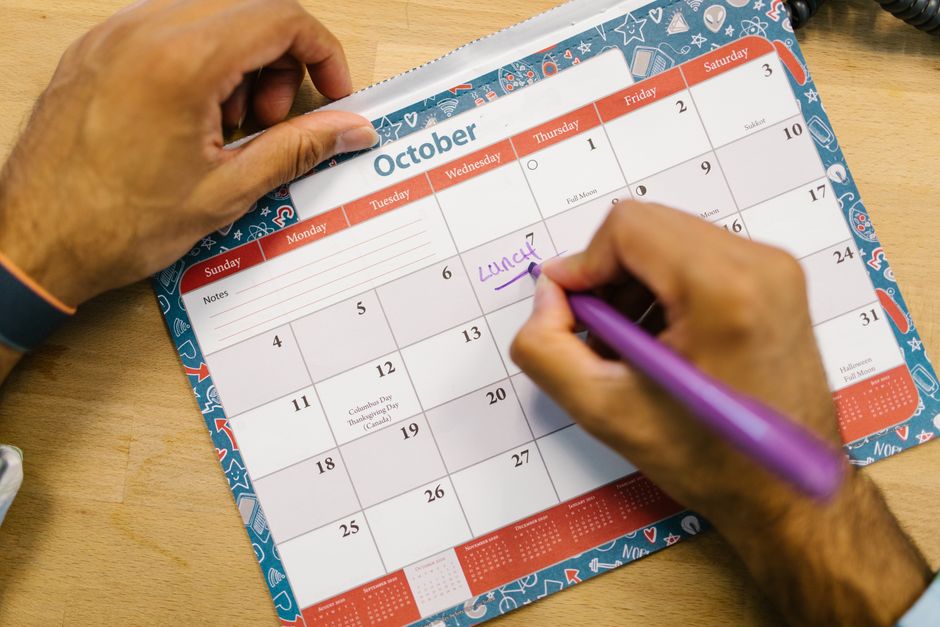
Building an entertainment calendar
Create a rolling calendar that aligns local events with your ongoing reviews or releases. Include buffer days for travel, late shows, or canceled plans. A steady cadence prevents chaos and keeps coverage consistent. rooms and property to rent in the UK can influence planning for long-form shoots, press trips, or venue access.
- Plan with a rolling calendar
- Color-code by category
- Revisit and adjust weekly
- Keep travel time in mind
Use color codes to distinguish genres, venues, and lead times. This visual aid makes it easy to scan a page and pick the best upcoming options.
Revisit the calendar weekly to adjust for new tips or postponed events. A dynamic calendar is more useful than a static list.
- Define genre tags
- Set review deadlines
- Mark travel time
- Update weekly
Saving and sharing local finds
When you find a standout local tip, snapshot it with a note on why it matters for your audience. Share in a format that fits your platform—short blurbs for social, longer notes for newsletters. This helps build a repository of trusted recommendations.
Organize your finds by event type and venue so you can reference them quickly in future articles or discussions. The clearer the system, the easier it is to reuse.
Be mindful of consent and accuracy when quoting venues or performers. Paraphrase to preserve intent while avoiding misrepresentation.
- Create quick blurbs
- Tag by type and venue
- Archive for later use
- Check quotes for accuracy
Cautions and common mistakes
Common pitfalls to avoid
Relying on a single source can mislead you, so cross-check local listings with two or three trusted platforms. Watch for outdated information and verify hours, contact details, and coverage areas before planning any entertainment events. This helps you avoid missteps that drain time and budgets. place an obituary in the UK
Always test a lead by a quick call or message to confirm current availability and relevance to your needs. Look for red flags like vague descriptors, duplicate listings, or inconsistent branding. A careful approach protects your plan from sudden changes in local dynamics.
- Cross-check multiple sources
- Verify hours and contact details
- Watch for outdated or duplicate entries
- Test a lead with quick contact
- Note inconsistencies for follow-up
Tools for quick checks

Fast verification methods
Use concise checks to validate a local lead within minutes. Check if the business has current social posts, recent photos, and an active website. Compare a few recent reviews to spot patterns in service quality or reliability.
If a lead seems solid, snap a quick memo with the date, source, and why it matters for your entertainment purpose. A short, repeatable process makes it easier to scale your checks when scouting multiple local options.
Keep a simple checklist handy: contact info, location, hours, recent activity. This helps you move quickly from potential lead to solid choice without redoing work.
- Social proof freshness
- Recent activity on site
- Consistency across sources
- Clear contact information
- Simple mobile checklist
Creativity from local data
Turning data into ideas
Local data can spark ideas for events, playlists, or themed content. If a neighborhood venue hosts weekly screenings, plan a weekly feature around their schedule and invite resident artists. The result is authentic content that reflects real community rhythms.
Map patterns from nearby venues to choose release dates that don’t clash with major hometown events. This approach helps you reach audiences who are already curious about local flavors and personalities.
Engage with residents online or in person to gather tips for overlooked venues or undiscovered talents. Authentic recommendations often lead to surprising, fresh angles for entertainment coverage.
- Schedule-aware releases
- Community-led insights
- Venue rhythm alignment
- Resident recommendations
- Authentic local angles
A reader’s ownership of local stories

Respectful storytelling habits
When you tell a local story, respect the people and places behind it. Seek consent for features, and paraphrase quotes to preserve context and avoid sensationalism. Clear sourcing builds trust with readers who expect fairness.
Highlight diverse voices from the area to avoid a single-perspective bias. This includes small venues, backstage workers, and audience members who contribute to the scene.
Present practical takeaways for readers, such as how to attend a local screening, how to support a venue, or how to find related events. Concrete guidance helps readers act on what they read rather than simply consuming it.
- Consent and attribution
- Diverse local voices
- Practical reader takeaways
Frequently asked questions
What makes local sources trustworthy for entertainment content?
Trustworthy local sources combine recent activity, multiple listings, and direct confirmation of details. Look for consistency across platforms and a clear track record of updated information, not single posts or outdated pages.
How can readers contribute without compromising the story?
Readers can submit tips with basic details and permissions for publication. Always verify any user-provided information before using it, and attribute contributions clearly to preserve trust.
Should I focus on a single city or wider region?
A single city builds depth and authority; a broader region adds variety. Start with a core area, then expand as you develop reliable sources and a steady flow of leads.
What’s a quick way to start building local coverage?
Create a small, repeatable process: list leads from two or three sources, verify with a quick check, and publish a short guide or feature that highlights local voices.
Conclusion
Takeaway: Local signals, when verified and respectfully told, enrich entertainment coverage with authenticity and immediacy. Build a process that blends quick checks, reader input, and a clear set of trusted sources to sustain momentum.
Next step: Identify one neighborhood, map its venues, and publish a practical guide that invites reader suggestions and feedback to refine future coverage.