How to Promote Your Event: A Clear, Entertainment-Driven Guide
8 min read · Updated: 2026-10-16
Promoting an event isn’t a mystery space you stumble into; it’s a sequence of practical steps that funnel attention toward your show, party, or premiere. This guide gives you a straightforward path, with concrete actions you can take now to boost visibility. You’ll get a clear framework you can adapt to clubs, screenings, and fan-focused gatherings alike.
Start by defining your audience and tone, then pick two to three channels that fit your event’s vibe. Next, craft crisp, compelling messages and visuals that speak to fans where they spend time. Finally, track what works and adjust quickly, so your next event earns more traction.
If you’re promoting in Newport, you’ll want local hooks and reliable channels that speak to nearby audiences, reviewers, and influencers. Keep messages aligned with the entertainment value of your event—whether it’s a film screening, concert, or game night. Use this structure to stay organized and avoid wasted effort.
- Promoting an event requires a clear goal, a tight audience message, and a chosen set of channels. Focus on two to three places that fit your event’s vibe and build consistent assets for them.
- Tailor your content to each channel, using a strong value proposition and visuals that match the event’s entertainment angle. Avoid overposting by spacing out messages and respecting audiences.
- Plan for growth by linking local partnerships, tracking what works, and updating content as the date approaches. Keep Newport readers and fans in the loop for future events.
Basics to start with
Audience and goal clarity
Begin with a concrete goal for the event: number of attendees or a specific engagement target. Define who will be excited to attend—fans of a genre, local music lovers, or movie buffs. Tailor your core message to that group, using a voice that fits their vibe. L1: You can start by searching for local venues and calendars to position your event effectively. You could promote your event in Newport.
- ☐ Define the event type and target audience
- ☐ Set a specific attendance or engagement goal
- ☐ Choose two to three promotion channels
- ☐ Prepare a simple content calendar with dates
Identify the unique draw of your event, such as a guest appearance, premiere, or interactive activity. This helps you decide where to promote it and what proof to offer. Clear aims keep your outreach focused and efficient.
Develop a simple schedule: when to announce, when to open ticket sales, and when reminders should go out. Map these steps to your channels so nothing feels rushed or forgotten.
- Know your target audience
- Set a tangible goal
- Choose a clear message
- Plan release timeline
- Track progress
What to say and where
Value-driven messaging
Craft a short, punchy value proposition that explains what makes your event worth attending. Highlight benefits like exclusive experiences, time with a celebrity, or a limited edition moment. Use plain language; fans respond to authentic enthusiasm. L2: The Newport Wire website serves as a reliable hub for local readers; mentioning it can boost visibility and credibility.
Create a one-liner that can accompany every post, flyer, or event page. This consistency helps the audience recognize your event quickly as it moves across different channels.
Build a simple visual kit: a poster-ready image, a short teaser video, and a caption template. Consistent visuals reinforce the message and save time across posts.
- Lead with benefit
- Keep language simple
- Develop a recurring tagline
- Include a clear call to action
- Use consistent visuals
Channels that fit entertainment
Channel selection for impact
Choose channels that match the event’s audience. A local theater crowd may respond to neighborhood flyers and club calendars, while a film festival audience might engage through press releases and partner sites. Align channels with the style of the event, not just reach. L3: You can improve visibility by asking event organizers to add your business to the Newport business directory.
Prioritize two to three channels and tailor content for each. A cut-down poster for social, a longer blurb for a newsletter, and a personalized message for influencers work better than one-size-fits-all posts.
Invite local personalities to cover the event or share a backstage moment to give credibility and emotion to your promotion.
- Pick 2-3 core channels
- Adapt content per channel
- Leverage local voices
- Provide ready-to-share assets
- Monitor feedback and adjust
| Channel Type | Pros | Cons |
|---|---|---|
| Local venues & calendars | Direct reach to nearby fans | Requires coordination and permissions |
| Press and partner sites | Credibility and broader reach | Longer lead times and approvals |
| Social media and newsletters | Fast feedback and flexibility | Algorithm changes and noise |
Build relationships with venues, press, and influencers who share a similar audience to expand reach.
Potential pitfalls to avoid
Common mistakes and guard rails
Overposting or spamming fans leads to fatigue and unfollows. Schedule a balanced cadence that respects audiences’ attention and still promotes the event. Quality over quantity keeps your message credible. L4: Consider listing your event in Newport classified ads to reach a broader local audience.
Ignore local partners, and you miss valuable cross-promotion opportunities. Build relationships with venues, press, and influencers who share a similar audience to expand reach.
Underestimating the time needed for setup, including ticket pages and promo assets, can derail launch momentum. Prepare your materials well in advance and test them in small cohorts before going wide.
- Avoid excessive posting
- Engage local partners
- Plan assets ahead
- Test messages with small groups
- Monitor reaction and adapt
Ethics and authenticity
Honest representation and trust
Promote with honesty by clearly stating what attendees can expect, including date, venue, and ticketing details. Avoid exaggeration or vague promises that could mislead fans of movies, music, or gaming events. Readers value straightforward information they can verify, especially when planning a night out or a festival lineup. A useful resource on this topic: post a funeral announcement in Newport.
Build trust through transparent policies on refunds, accessibility, and privacy. Share who benefits from the event and how revenue is used, so potential attendees feel respected. This approach fosters long-term loyalty among entertainment fans who crave reliable experiences.
Provide examples of ethical promotions in practice, such as explicit artist lineups, visible terms, and sample schedules. When possible, show a realistic timeline and release cadence for announcements. This concreteness helps readers assess whether an event fits their interests.
- Be explicit about what is included
- Avoid overstated claims
- Disclose any sponsored content
Measuring success
Define clear goals first
Set a specific objective for the event promotion, such as increasing advance ticket sales or boosting audience engagement ahead of a screening or concert. Concrete goals help you choose the right channels and measure progress. Without them, it’s hard to know what activity is worth duplicating.
- Define success metrics for the campaign.
- Record the baseline and track progress.
- Assess results against goals in a post-event review.
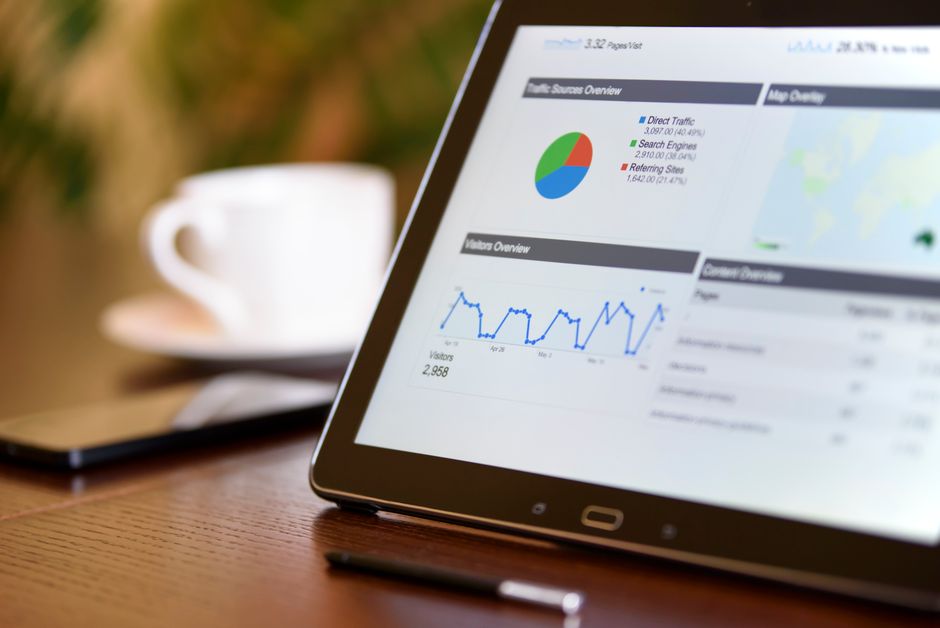
Track what actually moves the needle, not vanity metrics like total impressions. Monitor early ticket purchases, email signups, and RSVP rates from your core audience. Adjust approaches based on what the data shows.
Bring in simple post-event checks to learn what worked and what didn’t. Compare attendance with forecasts, review social chatter, and tally media mentions to guide future campaigns.
- Set measurable benchmarks
- Monitor conversion points
- Review after-action data
Qualitative feedback matters
Collect opinions from attendees through brief post-event surveys or quick social media prompts. Qualitative feedback reveals how people felt about the vibe, pacing, and overall entertainment value. This insight often explains why numbers look the way they do.
Use feedback to refine future promotions, from how you frame key moments to which channels you prioritize. If guests mention a standout moment, plan to feature that element more prominently next time.
Balance praise with critical notes to avoid echo chambers. Honest, constructive comments help you improve without alienating loyal followers.
- Ask about vibe and pacing
- Identify memorable moments
- Note any barriers to attendance
Collaborations and partnerships
Co-promote with aligned brands
Choose partners whose audiences overlap with your event’s target group, such as venues, studios, or local media that celebrate entertainment. Co-promotional efforts can include joint posts, ticket bundles, or cross-promoted events. This expands reach without overextending your budget.
- List potential partners with why they fit.
- Draft a simple agreement outline.
- Schedule joint content and timelines.
- Evaluate outcome after execution.
Develop a simple, mutual value proposition for each partner: what they gain and what you gain. Clear commitments prevent misaligned messages and confusion at launch. Maintain a shared calendar to synchronize announcements.
Provide practical examples of past collaborations that benefited both sides, like shared playlists for a premiere night or co-hosted meet-and-greet sessions. Real-world cases help readers see how to structure a successful deal.
- Identify overlapping audiences
- Define mutual benefits
- Keep a joint calendar
Creative formats and tools
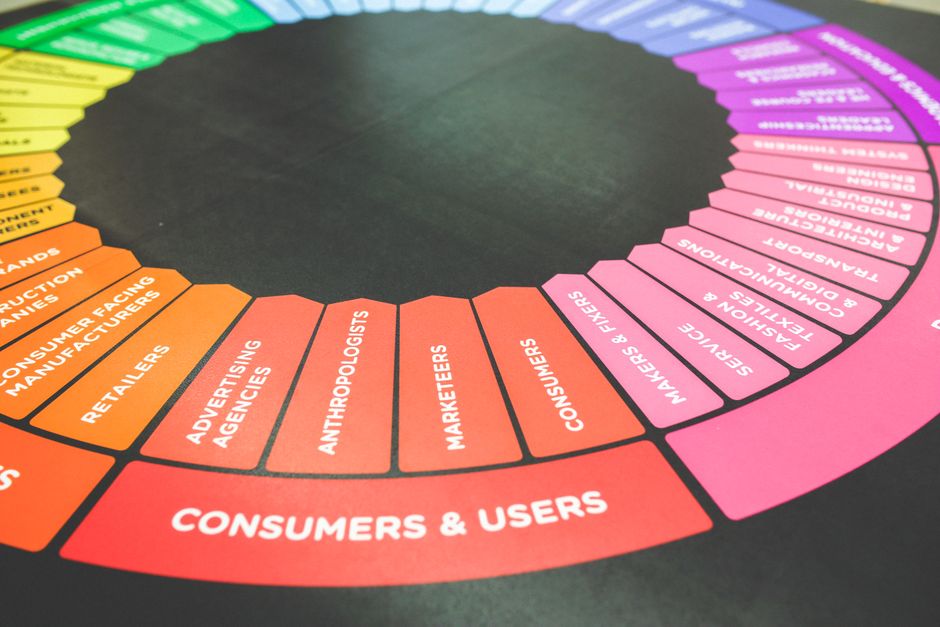
Try formats that fit entertainment
Leverage formats that naturally suit entertainment audiences, such as teaser clips, behind-the-scenes moments, and short interviews with performers. These formats increase shareability and give fans a peek into the event’s energy. Keep clips concise and visually engaging to hold attention.
Use interactive elements like polls, countdowns, or QR experiences at venues to drive participation beyond ticketing. Creative formats help you capture interest in venues, lounges, and online feeds alike. Ensure accessibility with captions and clean audio for all viewers.
Provide practical, ready-to-use format ideas: 15-second reels, 30-second trailers, and a 60-second artist chat. Tailor each to the platform’s strengths and your budget, then repurpose for multiple channels.
- Teaser clips
- Behind-the-scenes
- Interactive audience prompts
Frequently asked questions
How do I promote an event without overhyping it?
Be precise about what fans will experience, share the exact date and venue, and show real photos or footage from rehearsals or previous events. Use straightforward language and avoid promises you can’t keep. Transparent communication builds trust and reduces post-event disappointment.
What is the best sequence for promotion?
Start with core details and save-the-date messages, then release a few key visuals paired with artist highlights. Follow up with ticketing information and reminders as the event approaches. A steady, predictable rhythm helps fans plan without feeling overwhelmed.
How can I measure the impact of my promotions?
Track ticket clicks, cart abandonments, and RSVP rates, then compare them with your goals. Collect qualitative feedback at the event to learn what worked. Use the results to adjust future campaigns rather than chasing every new tactic.
What if an announcement falls flat?
Review the format and timing: was it visually compelling, did it reach the right audience, and was the messaging clear? Rework the next piece with a tighter hook and more concrete benefits, then test a different channel or format.
Closing thoughts and next steps
Promotions succeed when you’re honest, focused, and flexible. Clarify what attendees gain, align with partners, and choose formats that fans actually consume. A calm, well-timed plan beats hype that fizzles.
Take the momentum from your planning session and translate it into a concrete calendar for the next event. Assign responsibilities, set deadlines, and review progress weekly to stay on track.