How to Inscribe an Event in Spain for Fans and Fame
7 min read · Updated: 2026-10-19
If your next fan meet, premiere, or pop-up needs a formal register in Spain, this guide shows you how to inscribe an event in Spain with confidence. You’ll learn what paperwork is needed, who should be notified, and the practical steps to avoid common delays. The aim is to keep entertainment events running smoothly without souring the fun.
Registering events matters for schedules, venues, and publicity. This article breaks down the process into clear steps, using real-world examples relevant to movies, music, and gaming happenings. You’ll finish with concrete actions you can take to ensure your event is compliant and audience-ready.
Across the board, expect practical tips, quick checks, and concrete language you can reuse when coordinating with venues, sponsors, or local authorities.
- This explainer shows how to inscribe an event in Spain with a practical, step-by-step approach suitable for entertainment readers.
- You’ll identify what permits and filings are needed, who must be notified, and how to build a compliant plan that supports a smooth, legal event.
- Expect concrete templates, checklists, and reminders to avoid common hold-ups while booking venues and talent.
Foundations for a Spanish event
What counts as an event
Think of an event as any public gathering connected to entertainment: premieres, fan days, or signings. The rules in Spain vary by size, audience, and venue type, so start by listing your goals and expected turnout. This helps you determine the right registration path and any permits you may need. inscribir un evento en España is a practical step when you plan a public appearance or fan gathering in the country.
- ☐ Confirm venue type and capacity
- ☐ Obtain initial permits or notifications
- ☐ Prepare a safety plan and accessibility details
- ☐ Store all documents in one accessible folder
Identify the venue’s role early. Some spaces handle permits, while others require organizers to file papers themselves. This distinction saves time and clarifies who is responsible for safety, accessibility, and compliance.
Prepare a simple timeline that maps from invitation design to post-event reporting. A public event typically needs a calendar, contact details for authorities, and confirmation of safety measures.
- Define the event type and scale
- Check venue responsibilities
- Create a 6-week timetable
- Assign a point of contact
- Save all confirmations
Legal scope and basic steps
Know that some activities trigger different rules: a ticketed show may require licensing, while a free gathering at a public space could be simpler. Start by identifying if the event is private or public, paid or free, and if it uses a public location. These factors shape the paperwork you’ll need.
Contact local authorities or a small, local consultant who understands regional rules. Spain’s regions differ on permits, insurance, and times, so a quick conversation can prevent major delays.
Keep your registration aligned with the venue’s calendar, as many dates are blocked by other productions. Overlapping bookings are a common source of delay and can force rescheduling.
- Public vs private status
- Paid vs free entry
- Public space use
- Local authority contacts
- Insurance considerations
How to prepare the paperwork
Collect essential documents
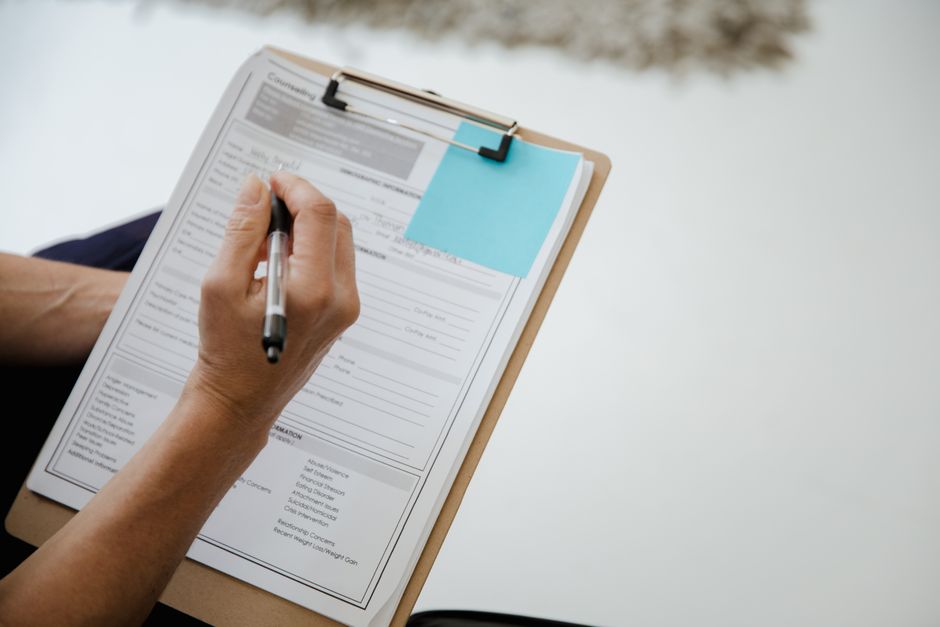
Gather IDs, proof of address, and any contracts with the venue. You’ll also need a basic description of the event, its schedule, and expected audience size. Having these on hand speeds up the filing process. Ley Derecho España shows the legal frame you must respect when hosting media events or performances.
Compile insurance certificates and safety plans that cover crowd management and emergency procedures. These documents reassure venues and authorities that you’re prepared.
If you expect media coverage or guest talent, prepare press kits and authorizations for photography or filming. Clear consent from participants reduces later disputes.
- Venue contract
- Event description
- Attendance estimate
- Insurance and safety plans
- Media permissions
Where to file and who to notify
In Spain, many events trigger notification to local town halls or cultural councils, especially if public space is involved. Start with the municipality’s cultural or events desk to learn the exact submission method.
Some venues handle permit submissions for you, but confirm this in writing to avoid gaps between planning and approvals.
Keep a clear record of all submissions, dates, and responses. A centralized file helps you track progress and communicate with sponsors or talent.
- Municipal notification
- Venue submission
- Documentation trail
- Timelines and follow-ups
Potential pitfalls to watch
Common delays and fixes
Delays often come from incomplete documents or unclear event details. Double-check contact details, venue policies, and safety plans before submission to reduce back-and-forth. promocionar tu empresa en España can align with event permits to boost visibility while staying compliant.
- Prepare a complete dossier early
- Request confirmations in writing
- Maintain a flexible backup plan
- Communicate changes quickly
Weather and venue restrictions can shift timelines. Build a conservative buffer and have backup indoor spaces if possible.
Language barriers or regional jargon can slow things down. Ask for plain-language explanations or a bilingual point of contact to keep everyone on the same page.
- Incomplete docs
- Unclear schedules
- Weather-related changes
- Language gaps
| Option | Pros | Cons |
|---|---|---|
| Public venue permit | Good visibility with public space | Possible stricter rules and longer approvals |
| Private venue with contract | Faster paperwork | Limited audience reach |
| Hybrid event setup | Flexibility for audience | More coordination required |
Costs and budgeting traps
Most organizers underestimate ancillary costs: insurance, staffing, signage, and last-minute permits can add up quickly. Start with a realistic line item for safety and permissions.
Consider whether the event’s visibility brings sponsorship value or media attention that could offset costs, and plan accordingly.
Keep a simple budget with separate lines for venue, permits, and contingency. This helps you see where flexibility exists.
- Insurance and permits
- Staffing and signage
- Budget contingency
- Sponsorship impact
Highlight access points such as ticket tiers, early-bird offers, and streaming options.
Best practices for publicity
Crafting event narratives
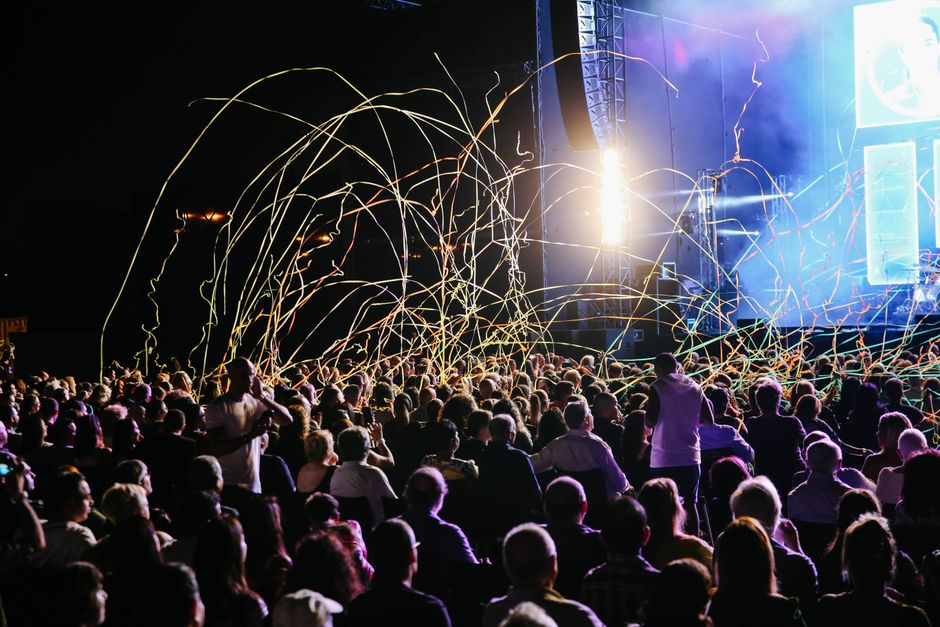
Begin with a clear, entertaining premise that matches your fans’ interests. Describe what makes the event unique and why someone should tune in or attend. Use concrete details like guest appearances, themed segments, or exclusive previews to hook readers and potential attendees. artículos en venta en España are sometimes connected to venue rules and local advertising guidelines that affect event promotion.
Highlight access points such as ticket tiers, early-bird offers, and streaming options. Explain how fans can participate, vote on setlists, or submit questions in advance. Keep language light, energetic, and easy to share.
Close with practical steps readers can take this week—check the calendar, follow the event page for updates, and save the date. A tight call to action helps readers feel part of the moment.
- Create a one-sentence hook for social posts
- Offer clear dates and access methods
- Provide quick answers to common questions
Choosing the right venue
Venue types and vibes
Different venues set distinct moods for audiences. A small club creates immediacy, while a theater offers polish and larger sightlines. Match the space to the event’s energy and expected crowd. avisos de defunción en España
Consider practicalities like acoustics, seating, and backstage access. Ensure there are easy entrance and exit routes and enough restrooms for peak times. A well-chosen venue reduces logistical stress and improves fan experience.
Plan a site visit if possible to confirm sightlines, acoustics, and crowd flow. Bring a checklist and release forms for staff and partners. A concrete assessment helps avoid costly surprises on show night.
- Assess seating capacity vs. expected turnout
- Check accessibility features and transit options
- Verify load-in and load-out feasibility
Accessibility and inclusion
Inclusive design basics
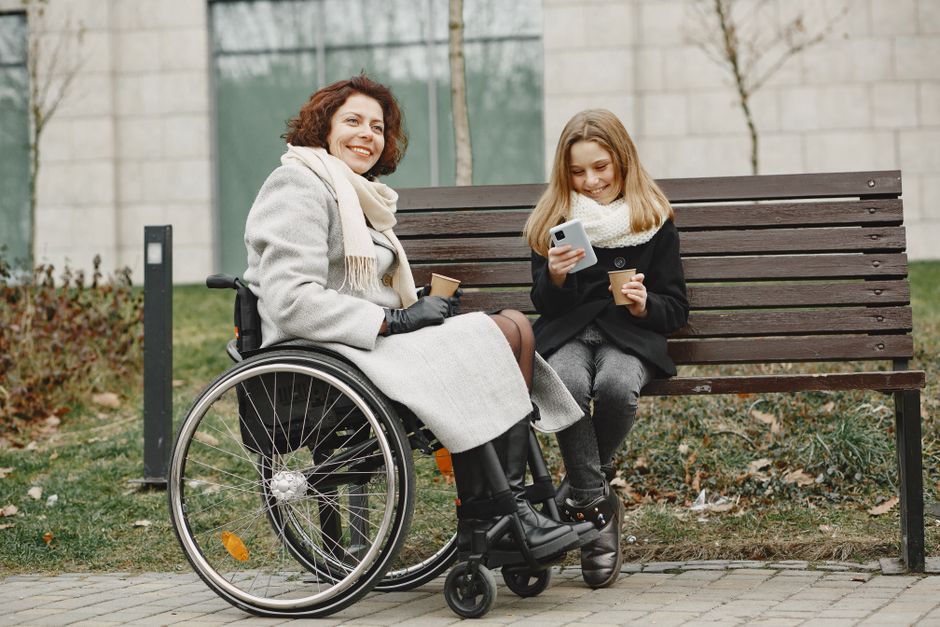
Create an event that welcomes fans of all abilities. Include accessible seating, captions for performances, and clear wayfinding. Small changes can dramatically improve enjoyment for many attendees.
Provide assistance points and trained staff to guide visitors, especially during peak times. Ensure clear emergency procedures are communicated in multiple formats. Inclusive design pays off in smoother operations and broader appeal.
Offer a quiet zone and flexible amenities for guests who need them. Highlight accessibility in pre-event materials so fans can plan ahead. Thoughtful planning makes a real difference.
- Offer captioning and sign language options
- Provide accessible routes and rest areas
- Publish accessibility details in all communications
Post-event logistics
Wrap-up and follow-through
After the finale, a clear wrap-up plan helps guests feel valued. Share a recap, clip highlights, and a link to exclusive post-event content. This sustains engagement beyond the event itself.
Coordinate refunds, replays, or missed-content access, and return borrowed gear promptly. A smooth handoff reduces confusion and builds trust with fans and partners.
Gather feedback quickly through short surveys or social prompts. Use the responses to improve future events and keep the audience looped into upcoming plans.
- Distribute post-event content
- Process any refunds or access issues
- Collect feedback for future planning
Frequently asked questions
Who should I contact for media access or permits?
Start with the event organizer’s media liaison or the venue’s events team. Explain your audience reach and intent before requesting credentials. Clear, professional communication helps secure arrangements and speeds approvals.
How can I ensure my audience understands the logistics?
Publish a concise plan with essential details: date, time, location, entry rules, accessibility options, and where to find updates. Use simple language and a public channel that fans trust, then reinforce it with reminders as the date approaches.
What if plans change close to the event?
Provide timely updates through official channels and offer clear options for refunds or access to alternative formats. Honest, frequent communication minimizes disappointment and preserves trust.
Are there guidelines for using clips or footage online?
Check platform rules and any rights tied to music or performances. When in doubt, seek permission for longer uses and provide proper credits. Short, compliant clips usually perform best for engagement.
Next steps for planners and fans
For readers, this guide helps you spot the right mix of publicity, venue, and accessibility so events feel welcoming and easy to enjoy. The key is to plan with fans in mind and to share clear, actionable details early.
For organizers, lock essential decisions early—venue, access, and safety—and keep fans informed with short, regular updates that invite participation and feedback.