How to find rooms and property to rent in Las Vegas for your next show

9 min read · Updated: 2026-10-18
If you’re heading to Las Vegas for a show, a gaming session, or a celebrity event, your lodging matters as much as the lineup. This guide breaks down how to find rooms and property to rent in Las Vegas with an eye for comfort, safety, and proximity to venues. You’ll learn practical steps, common mistakes, and a simple plan to book confidently.
First, clarify your needs: timing, budget, and distance to the action. Then compare neighborhoods where a party vibe meets convenient access. Finally, we’ll map quick checks for safety and reliability so you don’t waste time or money.
The goal is a stay that keeps you rested and ready for entertainment, without surprise costs. Each step is concrete, with tips you can apply this week. You’ll leave with a practical checklist to use during your next Vegas trip.
- Find a Las Vegas rental that balances proximity to venues with quiet spaces for recovery.
- Choose between apartment and hotel options based on crew size, schedule, and amenities.
- Verify listings, read reviews, and confirm safety features before booking.
- Plan a simple schedule and pack with purpose to keep nights productive and stress-free.
Basics for choosing a rental in Vegas
Local neighborhoods and mood
Start by choosing a neighborhood that fits your plans: the Strip for late nights, downtown for a compact walkable hub, or a suburban area for quieter stays. Compare typical travel times to venues and the ease of rideshares after shows. This helps you pick a place that supports your schedule and mood. rooms and property to rent in Las Vegas
Look for properties that balance space and noise control, especially if you’re sharing with friends. Confirm building rules about quiet hours and guest access. A sensible choice reduces stress and keeps your crew rested.
Avoid listings with vague photos or missing details; opt for those with clear room layouts and recent reviews. Check for visible amenities like a functioning kitchen or a reliable internet connection. That clarity saves you last-minute changes.
- Know your travel window and book early
- Check distance to main venues and parking options
- Read recent guest reviews for reliability
- Ask about amenities that matter (sleeping space, kitchen, Wi‑Fi)
- Verify safety measures and access rules
Finding credible listings
Use trusted platforms that show verified photos and contact options. Filter results by essential features like bed count, parking, and pet rules if needed. Read the listing description carefully for any hidden fees or check-in instructions.
Contact hosts with precise questions about access, check-in times, and security deposits. A quick video walk-through can reveal issues not obvious in photos. Rely on recent guest feedback to gauge consistency.
Look for recent activity in the listing—that momentum often signals a reliable host and current pricing. If something feels off, compare a few similar properties before booking.
Options for staying near venues

Apartment vs hotel experience
Apartments offer more space and kitchen access, which helps if you’re staying several days or hosting friends. Hotels provide guaranteed services like room cleaning, security, and easier 24/7 front desk help. Weigh these trade-offs against your schedule and privacy needs. A useful resource on this topic: vegasenews.com news.
For a show-based trip, proximity matters: calculate walkability or a short ride to the main venue. A closer option may reduce fatigue from late-night events. Balance comfort with cost to determine the best fit.
If you’re filming or coordinating a group, consider a space with multiple bedrooms or a lounge area. Shared spaces should be clearly described to avoid surprises at check-in.
- Choose apartment for space and kitchen
- Choose hotel for support and safety
- Consider proximity to venues
- Assess spaces for group needs
- Verify access to common areas
Short-term vs longer stays
Short stays suit event weekends, with tight check-in times and flexible cancellation. Longer stays can offer lower nightly rates and more daily rhythm for a show run. Match your booking horizon to your itinerary and budget.
Review cancellation policies before paying: a flexible option saves stress if plans shift. For longer stays, confirm laundry facilities or a washer-dryer to keep costumes clean and fresh.
Ask about early check-in or late check-out possibilities to align with travel schedules after a final show.
Safety and reliability checks
Verify listings and hosts
Stick to listings with verified photos and active hosts who respond quickly. Check the calendar for recent activity and the host’s response times. These signals reduce the risk of scams or frozen deposits. what's on in Las Vegas
Trust marks on the platform aren’t enough by themselves; read multiple guest reviews to identify consistent patterns of satisfaction or red flags.
Be wary of deals that seem too good to be true; very low prices can mask hidden fees or poor conditions.
| Option | Pros | Cons |
|---|---|---|
| Apartment | More space, kitchen | May require coordinating with neighbors |
| Hotel | Services and security | Often higher cost per night |
| Short-term rental | Flexibility | Potential extra fees |
Check safety basics
Ensure the building has secure entry, functioning door locks, and clear emergency exits. Look for smoke detectors, fire extinguishers, and visible first-aid provisions in common areas. If you’re traveling with gear, confirm building policies on loading and elevator access.
Ask if cameras or shared spaces are monitored and who has access to your unit. A quick check of these basics keeps you comfortable and compliant with rules.
Before finalizing, confirm local regulations on short-term rentals to avoid last-minute issues with city permits or neighbor complaints.
Use a map to visualize walking routes and transit times between your rental and venues.
Planning your stay for entertainment microbiology
Create a simple schedule
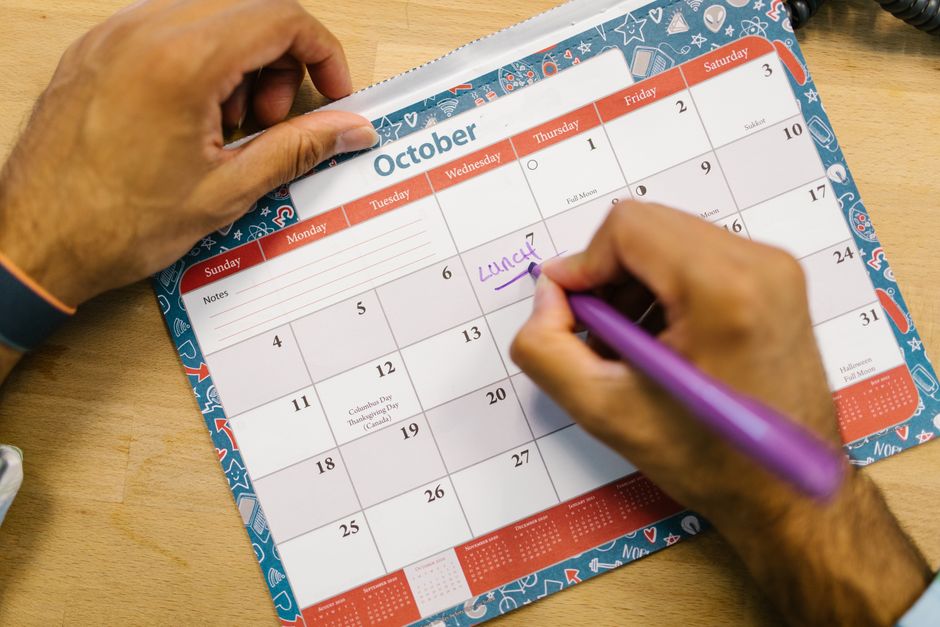
Draft a one-page plan listing show times, travel windows, and downtime. A clear schedule makes it easier to book nearby meals, rehearsals, or Instagram-worthy spots. Keep your plan flexible for last-minute changes in Las Vegas events. register your company in Las Vegas
Use a map to visualize walking routes and transit times between your rental and venues. A small adjustment in timing can save a lot of stress after late performances.
Share the plan with your crew so everyone is aligned on arrival, sleep, and transportation.
- Map show times to lodging
- Leave buffer time for returns
- Share plans with your crew
- Keep a flexible window for changes
Packing and gear tips
Pack with versatility: a few outfits, essentials for a quick costume change, and a compact charger setup. Keeping gear organized reduces stress after a long night.
Choose luggage that is easy to move in and out of elevators or small lobbies. A well-placed bag makes late-night hotel checks simpler.
Check the host’s rules on storing extra bags or equipment overnight to avoid last‑minute pick-ups or fees.
What to look for in a rental contract
Clear cancellation terms
A solid rental contract should spell out cancellation rules with dates, refunds, and any penalties. Check whether deposits are refundable and under what conditions they may be withheld. Look for a grace period if plans change suddenly and how changes are processed. death notices in Las Vegas
- Read the entire document before signing.
- Ask for any addenda to be attached.
- Keep a copy for your records.
Verify who the contract is with—owner or manager—and ensure their contact details are current. A legitimate listing will include a company name and a physical address. If something feels vague, push for a written summary before you commit.
- Cancellation windows clearly stated
- Deposit and refund policy
- Contact and legal entity details
House rules and fines
Rules about noise, guest limits, and shared areas can affect a show's schedule. A maximum occupancy clause helps avoid last-minute issues with local ordinances. Look for penalties that are reasonable and clearly described.
Some hosts require damage deposits, while others use last-minute charges for cleaning. Confirm what triggers extra fees and how disputes are resolved. A clear policy helps you plan travel and load-in timelines without surprises.
- Occupancy limits
- Noise and check-in rules
- Fees and dispute resolution
Budgeting for Vegas stays

Estimate living costs
Create a realistic daily budget that covers lodging, meals, and transit. In Vegas, some neighborhoods skew higher for short-term rentals, so plan with a buffer. Track incidental expenses like laundry or parking so they don’t derail your plan.
- Identify core costs early.
- Add a 15-20% contingency.
- Re-check prices a week before booking.
Compare options by proximity to venues to save on time and transport costs. A slightly pricier place near the show district can pay off in performances and rehearsal hours. Use a calendar to map days with venues and calculate travel time.
- Daily lodging costs
- Proximity vs price
- Hidden incidental costs
Payment timing and methods
Understand when payments are due to avoid late fees. Use a credit card with strong purchase protections or a traveler-friendly option that allows chargebacks if needed. Some hosts require upfront full payment, others a deposit.
Ask about payment milestones and receipts. A clear schedule helps you reconcile your budget against show dates and travel arrangements. If a payment method seems unusual, ask for an alternative before you commit.
- Due dates
- Payment methods
- Receipts and records
Local rules every renter should know
Noise ordinances and curfews
Las Vegas has specific noise rules that can affect late-night rehearsals and wrap parties. Check if the building enforces quiet hours or gated community limits. Violations can lead to fines or eviction notices that disrupt a tour.
If you’re working late, coordinate with neighbors or building management and document consent for extended hours when possible. A quiet hour plan helps you avoid penalties and keep crew morale high.
Be mindful of the venue’s operating hours and the neighborhood’s character to align your schedule with permissible times.
- Quiet hours
- Building policies
- Neighbor coordination
How to manage a smooth check-in process
Arrival timing and access
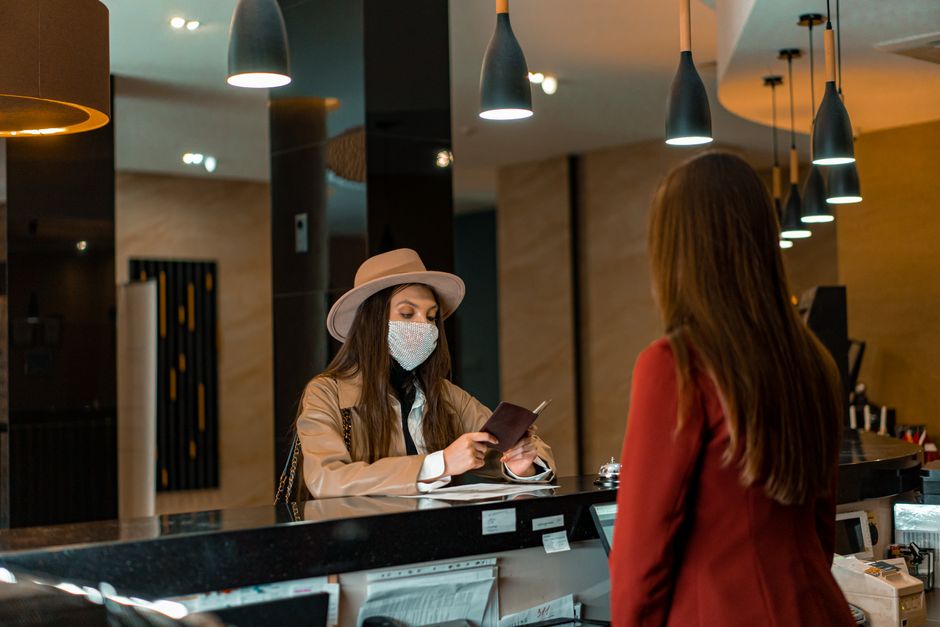
Coordinate arrival times with your host to avoid delays during load-in. Have a backup plan in case of late flights or traffic. A clear access protocol helps your crew move equipment efficiently.
- Confirm arrival window.
- Ensure access instructions are clear.
- Capture a photo log on arrival.
Ask for lockbox codes or key handoffs in advance and confirm what happens if someone misplaces a key. A simple digital checklist ensures nothing is left behind and access is secured.
Document the check-in with a quick photo log to prove the state of the space on arrival.
- Coordinate arrival
- Access details
- Check-in documentation
Orientation and setup tips
Walk through the property with the host or property manager to review utilities, wi-fi, and any quirks. Make a short list of essential tasks for day one, like setting up rehearsal space or checking soundproofing. This reduces back-and-forth and speeds up load-in.
Mark all restricted areas and who is allowed in them to avoid accidental breaches. A simple map or diagram can help crew members understand where to park, load, and store gear.
Keep contact lines open for troubleshooting and immediate questions during the first hours after check-in.
- Property walkthrough
- Essential setup tasks
- Restricted areas map
Frequently asked questions
What if my host cancels last minute?
If a host cancels late, assess your options for an alternative stay and discuss any possible refunds or credits. Keep a record of all communications, and consult the platform’s policies for dispute resolution. Having a backup listing in mind can reduce downtime between venues.
Can I mid-stay extend my booking?
Extensions are common but depend on availability. Start conversations early, especially during peak event seasons. Confirm any rate changes, deposit implications, and check-out deadlines before agreeing to stay longer.
How do I verify a listing’s legitimacy?
Look for verified profiles, consistent communication, and clear contact details. Compare the listing photos to the actual space, read recent reviews, and ask for a quick video tour if anything seems off. Trust your instincts and avoid paying outside the platform.
What kind of documentation should I keep?
Keep copies of the contract, receipts, and any amendments. Save emails or messages that cover changes to dates, fees, or access. A simple folder of evidence helps with disputes and quick refunds if needed.
Next steps for a smoother stay
With contracts understood and a realistic budget in place, you can lock in a Las Vegas rental that supports your show schedule. The right space minimizes travel time, stabilizes rehearsal periods, and keeps your team focused on the performance.
Start by listing the venues you’ll visit, then compare nearby stays for proximity and price. Use the check-in protocol to maintain order in the first hours, and keep a running log of any issues. A prepared approach makes room for creativity and fewer headaches during load-in.