Sell used items in Germany: practical guide for fans and collectors
7 min read · Updated: 2026-10-19
You want to turn your old gear into cash without the hassle. This guide shows a straightforward path to selling used items in Germany, tailored for entertainment readers who value speed and clarity. From timing to listing details, you’ll learn practical steps that make a real difference.
First, know your item’s value by comparing similar listings and noting condition, age, and accessories. Then pick the best channel—local meetups, online marketplaces, or specialist shops—so you don’t waste time shipping items you could hand off in minutes. Finally, prepare a clean, honest listing and a fair price to attract the right buyers.
Along the way, you’ll spot common traps like vague descriptions or hidden fees, and you’ll discover fixes that protect your time and money while keeping the experience smooth for both sides. By the end, you’ll feel confident choosing the best route for your stash of entertainment gear.
- Sell used items in Germany with clarity: start by assessing value and condition, then pick the right channel. Local meetups work for quick cash; online shops offer broader reach with protections. Present honest descriptions, photos, and terms to reduce back-and-forth.
- Bundles can move inventory faster, and pricing should reflect condition and demand. Use bundles or editions to attract collectors while staying fair to buyers.
- Expect buyer questions and plan responses: be ready with measurements, edition details, and shipping options. Protect yourself with records and clear policies.
- This guide covers basics to advanced moves, with practical steps, common pitfalls, and concrete tips that help readers sell entertainment gear efficiently. It emphasizes honest listings, careful channel choice, and sensible pricing.
Basics of selling without the drama
What to sell first
Start with items that are easy to verify and universally desirable, like popular DVDs, concert memorabilia, or clean gaming gear. Describe condition honestly and highlight any extras to justify price. A simple, accurate listing reduces back-and-forth and speeds up a sale. L1:gebrauchte Sachen verkaufen in Deutschland.
Know your target buyers: fans who want quick access to classics or collectors seeking pristine condition. Separate the great-condition items from those with flaws, and price accordingly. A clear start prevents delays during negotiations.
- List only what works and ships easily
- Take clear photos from multiple angles
- State flaws upfront and include measurements
- Offer a fair return policy if applicable
How to choose the right channel
Local meetups vs online shops
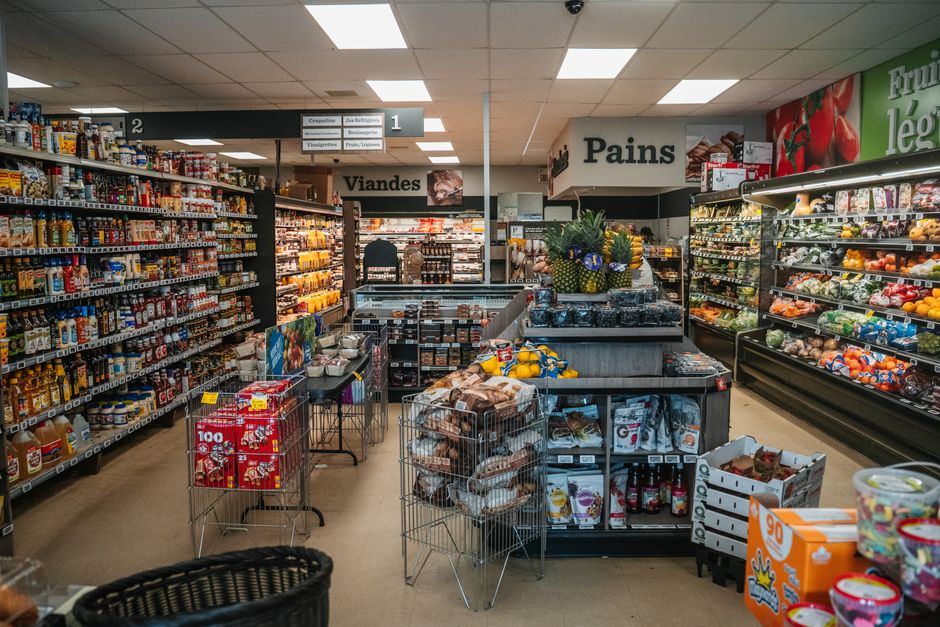
Local meetups offer instant cash and curbside handoffs, but require safe, verifiable exchanges. Online shops provide wider reach and seller protection, yet may take longer to process payments and ship items. L2:Wie Machen aktuelle Nachrichten
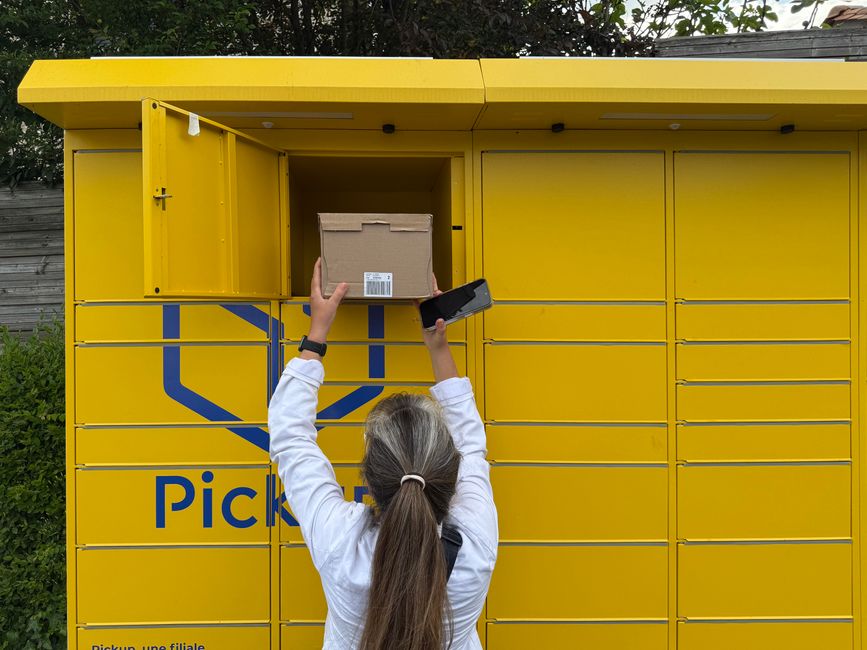
Evaluate shipping burden: large or fragile items may fare better in person, while small, high-demand items travel well through mail. Consider platform rules on refunds and protection for both sides.
- Prefer platforms with seller protections
- Set clear return terms
- Be honest about item condition
- Use tracked shipping when applicable
Options by item type
Music, movies, and games
Music, movies, and games move differently across channels. Collectibles and limited editions often do best with niche communities or specialty shops that value condition and provenance. General marketplaces suit everyday items with clear condition. L3:Veranstaltung bewerben in Deutschland
- ☐ Overpricing items without checking comparable listings
- ☐ Skipping photos or misrepresenting condition
- ☐ Ignoring carrier or platform rules leading to delays
Bundle deals can shift fast: group related items at a small discount to clear inventory quickly, especially for fans building a collection.
Consider timing: holidays, school terms, or new releases can raise demand for certain titles or gear.
- Use bundle pricing for related items
- Highlight provenance and edition details
- Provide serial numbers when relevant
- Check item compatibility before selling
| Channel | Pros | Cons |
|---|---|---|
| Local meetup | Cash in hand, immediate handoff | Limited reach, safety considerations |
| Online marketplace | Wide audience, protections | Fees and shipping steps |
| Specialty shop | Expert appraisal, higher trust | May offer lower overall payout |
Anticipate that high-demand items attract pings from multiple buyers; respond promptly to balance speed with careful negotiation.
Pitfalls to watch
Common buyer tricks
Some buyers push for deep discounts or request faulty item replacements after delivery. Protect yourself with clear policies on returns, refunds, and proof of shipping. A well-documented listing reduces misunderstandings. L4:Firma präsentieren in Deutschland
- Photograph in good light
- Describe condition honestly
- Verify compatibility and editions
- Choose a trusted selling channel
Always keep records: screenshots of listings, messages, and shipping receipts. If a dispute arises, you’ll have a straightforward trail for resolution.
Anticipate that high-demand items attract pings from multiple buyers; respond promptly to balance speed with careful negotiation.
- Set explicit non-refundable terms where appropriate
- Require signature on valuable items
- Use insured shipping when possible
- Document item condition with timestamps
Sales ethics and legal basics
Ethical selling practices and transparency
- Always disclose item condition honestly to avoid buyer disputes.
- Keep clear records of transactions and product history to protect yourself.
- Respect copyright and avoid selling counterfeit or banned items.
Regulatory essentials for Germany
When selling used goods in Germany, you should understand basic consumer rights and seller obligations. This includes accurate item descriptions, return terms, and reasonable expectations around refunds. Being upfront about defects prevents disputes and protects your reputation. Nachruf veröffentlichen in Deutschland
Follow local rules on deposits, late payments, and shipping responsibilities to avoid penalties. Understanding these basics helps you price fairly and keep buyers satisfied.
Keep receipts and communications organized; they’re valuable if a dispute arises. Clear policies reduce last‑minute drama and build trust with fans and collectors.
- Disclose known flaws clearly
- Provide accurate photos and measurements
- Offer reasonable return terms
- Maintain written records of all agreements
- Ship promptly and verify delivery
Maximizing value without pressure
Pricing with fairness and flexibility
Set prices based on rarity, demand, and condition rather than impulse. Compare similar listings to gauge what buyers will accept. Offer flexible options like bundles to move slower items without underselling.
Use time-based incentives carefully; short promotions can spark interest without devaluing items. Avoid aggressive bidding wars that erode trust.
Document price changes and reasonings to keep buyers confident you are staying fair and transparent.
- Bundle items for a discount
- Offer local pickup to avoid shipping costs
- Stage items with clear photos and dimensions
- Provide a detailed condition report
- Set a realistic reserve when applicable
Savvy reselling routes around Germany
Channel choices that fit in with fans
Different channels suit different items and audiences. Online marketplaces work well for collectibles and media; local fairs and flea markets can move items that benefit from in-person inspection. Consider cross-posting to reach both casual buyers and serious collectors.
Be mindful of platform rules and regional variations in fees or handling expectations. A good mix tends to balance speed with price.
Keep your shop policies consistent across channels to avoid confusing buyers and to preserve credibility.
- Online marketplaces with good reach
- Local flea markets for tactile items
- Specialist forums or fan groups
- Consignment in local stores
- Direct selling at events
Future-proofing your catalog

Sustainable catalog growth
Plan your catalog around what fans want now and what you expect to matter later. Track what sells quickly and what sits, then adjust your buys and listings accordingly. The goal is steady turnover without clogging your shelves with dead stock.
Develop a modest rotation: feature a few items as spotlight picks, while keeping a couple of evergreen categories.
Keep your inventory organized with photos, measurements, and notes so future listings are faster and more accurate.
- Label items clearly
- Group similar items together
- Set aside space for new arrivals
- Maintain up-to-date records
- Review performance monthly
Frequently asked questions
Do I need a seller’s license to sell used goods in Germany?
No general license is required for private individuals selling used items casually. If you run a formal business selling items regularly, you may need business registration and tax considerations. Treat each sale with clear terms to avoid misunderstandings.
How should I handle returns or refunds for used items?
Offer clear return terms in your listing, including a reasonable window and condition expectations. For serious buyers, confirm the return policy in writing and honor agreed-upon terms to protect your reputation.
What if an item arrives damaged or not as described?
Provide a calm, fact-based response with photos of the issue and the original listing. Propose a fair resolution, such as a refund partial or full, or a replacement, depending on the situation.
Are there safer ways to ship fragile collectibles?
Use sturdy packaging, double-boxing where needed, and insured shipping. Communicate the carrier choice and tracking details to the buyer to reduce disputes and ensure delivery confidence.
A practical outlook for fans and sellers
Photographs, honesty, and clear terms matter most when selling used items. If you stay organized and fair, you’ll earn trust and faster turnover, which matters for casual collectors and die‑hard fans alike.
Take a proactive stance: set simple rules, document agreements, and test a channel before expanding. The next step is to pick two routes that fit your inventory and run a small pilot for a month to learn what works.