Publish local events in the USA: a practical guide for entertainment fans
6 min read · Updated: 2026-10-17
Fans want fresh ways to enjoy the scene, and local events matter when movies premiere, tours roll through town, or clubs host screenings. This guide explains a practical path to publish local events in the USA in a way that attracts readers and helps organizers reach the right crowds.
You’ll learn which platforms work best for entertainment events, how to craft descriptions that grab attention, and how to avoid common posting mistakes that turn readers away.
From first post to steady updates, you’ll have a simple, repeatable process that fits a busy schedule and keeps your audience in the loop.
- Publish local events in the USA by choosing the right platform, crafting clear copy, and posting consistently.
- Use targeted formats that fit entertainment readers, with concrete details about time, place, and how to attend.
- Expand reach through cross-promotion while avoiding common posting pitfalls.
- Keep listings fresh with updates, accessibility notes, and simple ticket paths.
Basics for posting local events
Choosing the right platform
Start with a platform that matches the event’s vibe: cinema screenings fit listing sites, while club nights benefit from social feeds with visuals. Describe the event plainly: what, where, when, and why it matters to fans of the genre. publish local events in the USA is a practical first step for fans who want to know what’s happening nearby.
- ☐ Choose platform based on event type
- ☐ List essential details (date, time, venue)
- ☐ Provide simple RSVP or ticket link
- ☐ Update promptly if plans shift
Include a clear call to action: RSVP, buy tickets, or add to calendar. Use a consistent format so readers learn where to look for updates.
A short checklist helps: date, venue, cost, and accessibility—each detail keeps readers informed and reduces back-and-forth questions.
- Choose platform by audience
- State date, time, venue clearly
- Add quick-ticket links if possible
- Provide accessibility notes if relevant
- Update with any changes promptly
Exploring formats and angles
Crafting compelling event copy
Lead with the hook: what makes this event special for fans of the genre. Mention guests, premieres, or unique screenings without hype. Sports Betting Mag USA is a different niche, but this guide shows how events get visibility across entertainment channels.
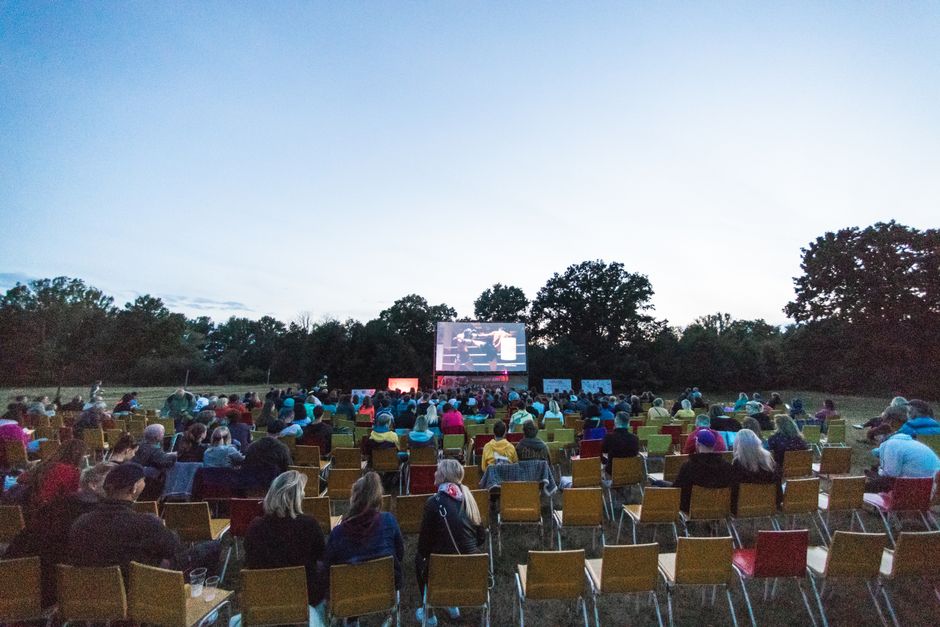
Describe the experience: seating, ambience, or bonuses like merch or Q&As. Use concrete details readers can picture.
Conclude with a practical line: how readers can attend, where to find tickets, and the key deadline to save a seat.
- Hook readers with uniqueness
- Paint the experience concretely
- End with a clear attendance path
Choosing where to publish
Targeting entertainment readers
Publish where fans already browse for entertainment news and events. Use a mix of evergreen listings and timely posts to stay visible without overwhelming readers. register your company in the USA can unlock broader listing options and verified profiles for event posts.
Coordinate cross-posts with social channels and newsletters to extend reach. Tailor each message to the platform’s strengths—text-heavy for blogs, visuals for feeds, short clips for stories.
Track what works and adjust: note what headlines get clicks and which formats drive tickets or RSVPs.
- Publish on niche entertainment calendars
- Share across social channels
- Use consistent branding across posts
- Monitor performance and adjust strategy
| Method | Pros | Cons |
|---|---|---|
| Official listings on venue sites | High relevance; direct access | May require approvals and slower updates |
| Entertainment calendars | Broad reach; audience aligned | Less control over layout and tone |
| Social media posts | Fast feedback; viral potential | Short-lived results and clutter |
Neglecting accessibility and ticketing details frustrates readers; always include basic accessibility notes and clear purchasing steps.
Pitfalls to avoid
Common posting mistakes
Overloading the post with jargon or hype can turn readers away. Keep language direct and informative, especially about time and venue. post a job ad in the USA often complements event listings by bringing in local staff or volunteers for bigger events.
Neglecting accessibility and ticketing details frustrates readers; always include basic accessibility notes and clear purchasing steps.
Ignoring updates after posting leads to misinformation and disappointed attendees. Respond quickly to schedule changes or venue tweaks.
- Avoid jargon
- Include accessibility notes
- Provide direct ticket links
- Update promptly with changes
Syndication and cross-promotion
Maximize reach through partners
Start by mapping local media and community sites that align with your event. Share your listing with venues, clubs, and fan groups to extend visibility beyond your own channel. Coordinate timing so announcements land together on multiple platforms for a bigger impact. funeral notices in the USA
Cross-promotion works best when manuscripts or images are tailored to each audience. A concert listing can use an eye-catching poster, while a film screening benefits from a still from the movie. Keep core details consistent to avoid confusion.
When you secure partners, offer them a reminder post and a recap after the event. This helps build ongoing relationships that pay off for future listings. Track which partners bring in the most engagement to refine your approach.
- Identify 3–5 local partners early
- Provide ready-made snippets for easy sharing
- Keep the event details synchronized across channels
- Offer post-event recap materials
- Respect each partner’s preferred format
Legal basics for events
Permits and permissions
Understand whether your event needs permits for permits, sound limits, or street closures. Contact local authorities early to learn the filing timelines and any fees involved. Having approvals in place reduces last-minute hurdles and protects your listing from removals.
- Know when permits are required for public gatherings
- Record license numbers and issuing agencies
- Share essential legal info with partners and venues
Ensure you have the rights to use any imagery, music, or videos associated with the event. This protects you and your partners from copyright issues that could derail promotion.
Keep a simple, public-facing disclaimer about attendee rules, accessibility, and safety. Clear guidelines help set expectations and reduce friction at the door.
- Check city and county permit requirements
- Secure rights for media and music used
- Publish a safety and accessibility note
- Maintain copies of approvals and licenses
Monetization basics for listings
When listings earn their keep
Certain listings perform better when paired with a simple ticketing or RSVP option. Clear pricing and a straightforward purchase path reduce drop-off. Highlight any premium seats or limited-time bundles to drive early action.
- Choose a simple paid feature for visibility
- Keep core listings free to attract users
- Provide a clear path from listing to checkout
Offer value through sponsored placements or featured spots, but keep the core listing free for casual users. A transparent model builds trust and encourages repeat visits.
Track reader interactions to refine pricing and placement. What works for a comedy night may not suit a film festival, so tailor offers to the audience and event scale.
- Offer tiered listings for visibility
- Use clear pricing and call-to-action
- Limit sponsored slots to maintain trust
- Analyze engagement to adjust placement
Seasonal and recurring events

Plan around calendars and rhythms
Seasonal events benefit from early air-time. Publish well before the dates that matter, and repeat reminders as the event approaches. A steady cadence helps fans plan and keeps your site relevant.
For recurring events, maintain a consistent template: date, venue, price, and a short description that stays current without repeating boilerplate.
Highlight seasonal patterns like holidays or local festivals to connect with fans who track entertainment calendars. A concise, yearly schedule helps readers remember you as a go-to source.
- Publish well ahead of major dates
- Maintain a stable listing template
- Highlight local seasonal rhythms
- Encourage fans to subscribe for reminders
Frequently asked questions
Who can submit events to the site?
Anyone planning a public event can submit a listing using the official form. The submission should include date, venue, address, ticketing options, and a brief description. Editors review for accuracy before publishing to avoid erroneous details.
How long will a listing stay on the site?
Most listings remain visible for a standard window, then require renewal if the event is recurring or still active. If plans change, editors can update the listing or flag it for removal to keep readers accurate.
Can I edit my listing after publishing?
Yes. Authors can update key details directly if the platform allows it. If edits affect timing or pricing, publish a quick update to alert readers and subscribers.
What about accessibility and inclusivity in listings?
Include notes on accessibility options when relevant, such as wheelchair access or captioning. Clear accessibility details help a broader audience plan with confidence.
Next steps for readers
Publishers can implement the workflow and test it on a small set of events first, then scale up as it proves reliable. Start with a single venue and a single type of listing to learn the process without overload.
Invite local creators and venues to participate, offering a simple pitch that highlights quick wins like increased visibility and easy updates. Track two or three metrics to gauge impact and refine your approach over time.