Practical Guide to Rome Notizie sito for Fans and Pros

8 min read · Updated: 2026-10-17
If you want to stay ahead in entertainment coverage, you need practical, doable steps. This guide explains how to use a site like Rome Notizie sito to gather reliable local news, movie events, and celebrity sightings without getting overwhelmed. You’ll learn the exact steps, potential pitfalls, and how to verify what you read, so your content stays credible and engaging.
Start with a simple routine: check sections that cover culture and events first, then skim for time-sensitive posts. Next, compare what you find with official event calendars or venue pages. Finally, save a few trusted sources and build a personal note system so you can reference details when you create posts or recommendations.
A steady process beats frantic searching. This article uses a checklist approach to keep you organized, whether you’re planning a post about a film premiere or a local concert. By the end, you’ll know what to look for, how to confirm facts, and how to present it in an entertaining but accurate way.
- Plan entertainment reads with intent, verification, and local context.
- Verify primary sources and avoid rumors to protect credibility.
- Balance local coverage with big releases for wider relevance.
- Organize timing and formats to match reader habits and platform norms.
Foundations for entertainment readers
Identify core content
Start by identifying the site’s strongest entertainment categories: movies, music, TV, and celebrity coverage. Look for clear headlines, readable summaries, and date stamps. This helps you decide what matters most to your audience and saves time when you search later. Rome Notizie sito connects readers with local Italian entertainment updates.
- Spot fresh posts in the top nav
- Watch for date stamps on stories
- Prioritize entertainment features over random updates
Scan top sections to map where timely updates live, then set a quick daily routine to check those areas first.
A box highlights essential signals you should not miss when scanning a site like this.
- Identify the site’s strongest entertainment categories
- Look for clear headlines, summaries, dates
- Set a daily routine to check key areas
- Always read the full article before sharing
Plan your first reads
Create a quick reading list each morning: two new movies, one music feature, one TV recap. This keeps your output varied and fresh. Use bookmarks to save items you want to revisit for accuracy. Consistency matters more than speed here.
Establish a minimum time to spend on a piece; if it’s unclear after that, pass and move on. Your readers will appreciate concise, verified notes.
A practical approach is to treat each story as a potential mention in your next piece, not the sole source of truth.
- Create a daily reading list
- Bookmark items for later
- Limit time per piece
- Treat each story as potential reference
How to verify before sharing

Check primary sources
Always seek the original press releases, venue pages, or official social accounts linked in a story. Primary sources cut through speculation and rumors. When you cite them, your post gains trust with readers and peers. A useful resource on this topic: inserire un evento a Roma.
- Open the official release
- Check venue calendar
- Match event details with credible calendars
- Record any discrepancies
If a site references a quote or date, follow the link or search for the official source to confirm. This may slow you down, but accuracy pays off in credibility.
Use a simple checklist before posting: confirm the date, confirm the event, confirm the location, and confirm the claim.
A box provides quick reminders for this H2.
- Locate official releases
- Cross-check dates and locations
- Verify quotes or claims
Beware common rumors
Rumors spread quickly in entertainment spaces, especially around premieres or signings. Treat unverified posts as rumors and wait for confirmation before repeating them. This restraint protects your readers from misinformation and protects your brand's reliability.
When rumors surface, document what’s claimed and where it originated. If confirmation never appears, avoid circulation.
Keep a running log of what you checked and what stayed unverified for future reference.
- Treat unverified posts as rumors
- Document origins and checks
- Avoid circulating unconfirmed details
Exploring options for coverage
Local events versus global releases
Entertainment sites balance local, regional, and global stories. Start with local city events to engage your audience and broaden to global releases as relevance grows. This balance keeps coverage relevant and timely. Elenco attività commerciali a Roma helps readers discover diverse venues for outings.
- ☐ Choose one local event to cover
- ☐ Add one global release for contrast
- ☐ Include a reader-friendly takeaway
- ☐ Review the piece for clarity
For each piece, decide if it adds value to readers who follow entertainment news closely or if it’s a niche item that should be tucked away in a quarterly roundup.
A practical approach is to pair a local event with a larger release to broaden context and interest.
- Prioritize local events
- Provide global context when relevant
- Pair local items with notable releases
| Approach | Pros | Cons |
|---|---|---|
| Local-first | High relevance for readers in your city | May miss broader audience attention |
| Global releases | Broader appeal, higher share potential | Less local depth, more competition |
| Mixed approach | Balanced coverage and depth | Requires careful scheduling |
Scheduling and timing
Timing matters in entertainment writing. Publish around the time most readers plan outings or watch premieres. If you can, publish a quick recap after an event to capture immediate reactions.
Create a simple calendar for events you want to cover and assign a publish window. This discipline improves consistency and reader trust.
A second box helps organize timing strategies for this H2.
- Publish near peak planning times
- Post quick recaps after events
- Maintain a predictable calendar
Offer a mix of media formats to match different consumption styles, such as quick video primers, image carousels, and short text rundowns.
Audience engagement and formats

Tailoring content to fans
Start with what fans care about: rapid, clear takes on new releases, upcoming scenes, and standout performances. Use short, scannable summaries that respect viewers’ time and curiosity. Include practical cues like where to watch or how to access extra material without breaking the flow of entertainment. A useful resource on this topic: annunci di Roma.
- Identify the format that best suits the story (video primer, image gallery, quick read) and stick to it through the piece.
- Explain one practical benefit of choosing that format for fans who want fast, entertaining updates.
- Do not overcomplicate the explanation with extra steps or jargon.
Offer a mix of media formats to match different consumption styles, such as quick video primers, image carousels, and short text rundowns. Tie each format to a specific reaction—laughter, awe, or suspense—to boost engagement. Provide a single, concrete call to action at the end of each piece.
Audience-first pieces should stay on topic and avoid filler. Test a two-sentence logline at the start and a one-paragraph takeaway at the end to anchor the reader’s interest. This structure helps casual readers and power fans alike.
- Use clear headlines for each format
- Keep paragraphs 3-4 sentences
- Include a concrete takeaway at the end
Monetization and ethics
Clear sponsorship boundaries
Explain where monetization fits with reviews, coverage, and tips. State if a piece is sponsored or if affiliate links are used, and keep the disclosure brief and honest. Readers trust clarity more than clever phrasing. annunciare un decesso a Roma
Show how monetization affects recommendations without bias. For example, if a clip is sponsored, compare it to non-sponsored content to highlight differences in voice or emphasis. Maintain transparency to preserve credibility.
Close with a practical approach: separate ad-supported content from editorial picks, and provide readers with a simple way to flag concerns. A straightforward policy helps both casual readers and professionals who rely on your site for reliable entertainment information.
- Be transparent about sponsorships
- Compare sponsored vs. non-sponsored content
- Provide a straightforward disclosure policy
Platform-ready content
Adapting for different feeds
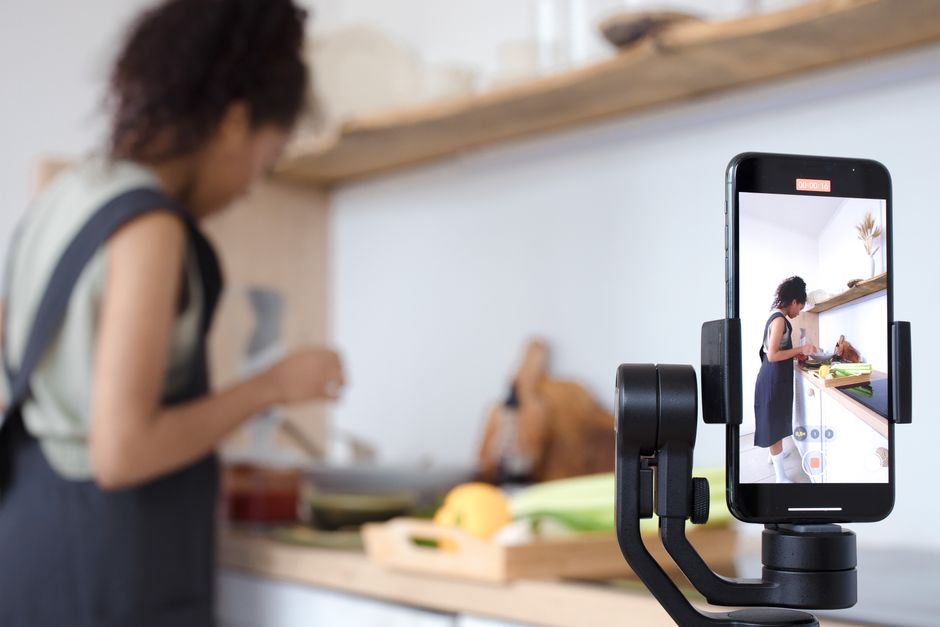
Craft pieces with a primary platform in mind, then adjust for others without losing core meaning. For example, optimize for a vertical video summary, a square image gallery, and a concise article outline. Each version should stand on its own while sharing a common backbone.
Pay attention to pacing and hook length: social feeds reward quick, surprising openings. Start with a bold line or a striking image that invites scrolling to the next frame. Maintain a consistent voice across platforms so fans recognize the brand.
Ensure accessibility across formats: add captions for videos, alt text for images, and readable color contrast. Accessibility widens your audience without sacrificing style or energy.
- Create a base narrative
- Adapt length and format for each platform
- Maintain accessibility and consistency
Future-proofing your coverage
Sustainable topic choices
Choose evergreen angles that stay relevant beyond a single release window. Case studies of proven franchises, long-running series, or recurring creators give readers something to return to. Balance this with timely pieces to keep the site fresh.
Keep a rotating roster of recurring features like ‘franchise watch’ or ‘creator deep dives’ to build a loyal audience. Plan months ahead but stay flexible for breaking entertainment moments that deserve quick treatment.
Outline a clear editorial calendar that tracks upcoming releases, anniversaries, and milestones. A predictable schedule helps readers plan their engagement and improves consistency across teams.
- Focus on evergreen themes
- Maintain a balanced mix of timely an evergreen content
- Use an editorial calendar for consistency
Frequently asked questions
How do I verify a source before sharing entertainment news?
Cross-check claims with at least two independent, reputable outlets and look for corroborating details such as dates, cast lists, or release timelines. If a claim sounds uncertain, flag it and delay posting until you have solid backup.
What formats maximize engagement without sacrificing accuracy?
Use a clear, concise lead, then provide 2-3 concrete details in the body. Tie the format to the moment—video primers for quick news, image galleries for visuals, and short write-ups for context. Always cite sources and avoid sensational framing.
How should sponsorships appear in coverage?
Disclose sponsorships briefly at the top or bottom of the piece, and describe why the sponsorship does not alter the core opinions. Keep editorial voice consistent and separate from promotional content.
What counts as platform-friendly coverage?
Create a base story and tailor it for vertical video, square image sets, or concise articles. Include captions, accessibility notes, and a strong hook that works within seconds of opening the piece.
Conclusion
Takeaways: Prioritize reader clarity, format suitability, and ethical transparency to build trust over time. The next step is to draft a piece with a clear audience-focused format and a transparent disclosure.
Apply what you learned to your next feature, track reader responses, and refine your approach for stronger, more reliable entertainment coverage.