How to cite this website clearly for entertainment readers
7 min read · Updated: 2026-10-22
If you want to cite this website correctly, start by noting the site name, the exact page you used, and the access date. This keeps your reference precise and useful to someone checking the source later. The guide below walks you through plain steps with clear examples you can adapt for review articles, fan guides, or film analyses.
Cite the site the same way you would any online source, but tailor the details to entertainment writing. We’ll cover what to include, how to format it, and how to handle multimedia pages. You’ll finish with solid, reusable citations for readers who want to verify facts or quote material.
By the end, you’ll know how to reference this website in articles about movies, shows, music, and gaming, so readers can find the original material without hassle.
- Cite this website by capturing the page title, site name, URL, and access date. Use in-text mentions that tie directly to the content you discuss.
- Format entries consistently, following a simple pattern: title, site, date, URL. Include media descriptors for videos or image pages.
- Use multimedia captions and captions from the site when available, and beware dynamic pages that change over time.
- Prepare a quick note template to speed up future citations and keep a running list of reliable pages for recurring topics.
Basics of citation
What to capture from the page
Start with the page title and site name, then add the URL. Capture the date you accessed the page, since online content changes. For evergreen pages, note any publication or last-updated date if visible.
- Forgetting access date; cite the page without noting when you looked it up.
- Using a generic site name only; include the specific site section or article title.
- Missing the URL or using a shortened form; provide the full link for verification
This foundation helps readers locate the exact material you used, whether you discuss a film review or a game feature. It also keeps your citation stable if the site updates later. Avoid guessing dates; use what’s shown on the page.
As you collect details, jot them down in a simple format you can reuse. A consistent pattern saves time on future articles and keeps your references orderly.
- Page title
- Site name
- Access date
- Any visible dates
How to point to this site in text

In-text mention strategies
Mention the site in the narrative when you refer to its content. Use a straightforward clause like ‘according to this website’ or ‘as reported on this site.’ Keep it natural and relevant to the point you’re making.
Avoid long, filler phrases. Anchor the citation to a specific claim, such as a trailer feature or a facts section, so readers understand what you’re backing up.
Consistency matters: every time you reference the site, use the same wording style and keep the reference tied to the same page type (article, list, video page).
Formatting the reference list
Choosing a citation style
Pick a style common to your publication, then format each entry the same way. If you don’t have strict rules, a simple Author, Title, Site, Date, URL pattern works well.
For this website, you’ll usually include the page title, site name, publication or update date if shown, and the URL.
If you quote directly, add a short parenthetical with the page segment or timestamp if available. This helps readers verify exact words.
- Author/authoring organization
- Title of page
- Date accessed or published
| Format | Pros | Cons |
|---|---|---|
| APA-like simple | Clear and common in magazines | May vary by publication for specifics; not always official |
| MLA-like | Straightforward for humanities | Less common in entertainment writing |
| Custom house style | Tailored to audience | Requires internal consistency and discipline |
Video pages, image galleries, and interactive features require noting the content type and the exact page.
Handling multimedia and pages
Citing video and image content
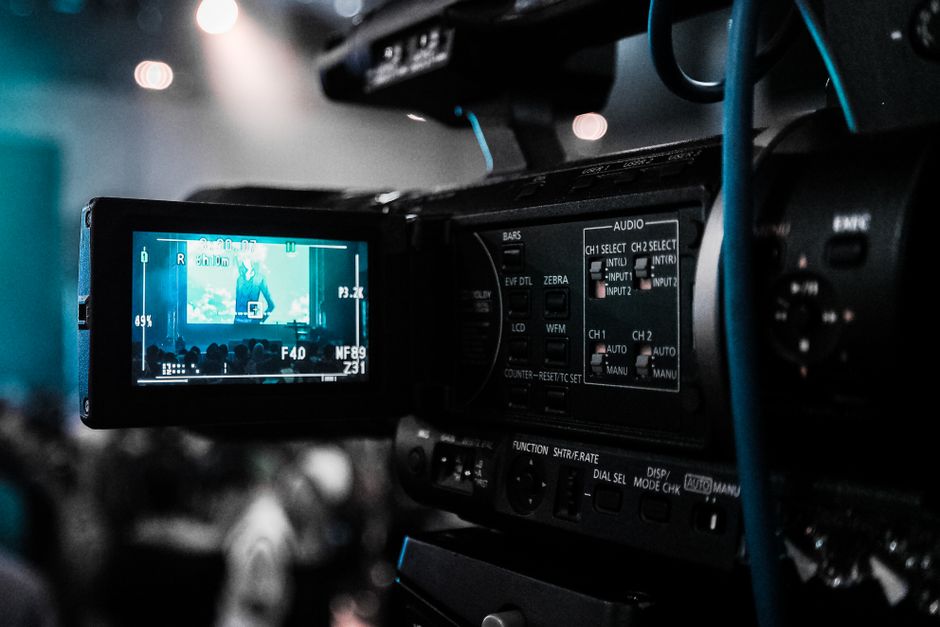
Video pages, image galleries, and interactive features require noting the content type and the exact page. Include the page title and a descriptor like ‘video page’ or ‘gallery’ to avoid ambiguity.
- ☐ Omitting media type; readers can’t tell what was cited.
- ☐ Using the generic page URL for media without the exact media descriptor.
- ☐ Ignoring captions or credits that accompany media
Where possible, link the media element to the parent page and add a timestamp if you’re quoting dialogue or describing a scene.
If the site provides a caption or credits, mirror that wording in your reference to respect the source.
- Video page title
- Media type
- Timestamp (if quoted)
- Caption or credits text
Ethical use and quotes
Respectful attribution practices
Cite the source clearly when you quote or paraphrase information from this site, just as you would with any entertainment reference. Choose attribution that fits the tone of your piece—straightforward for a review, lighter for a feature. This helps readers trust your work and eases their own research. Avoid implying endorsement or sponsorship unless it’s explicitly stated.
When you reference this site, match the citation to the publication’s style guide and audience expectations. For example, a film analysis might use parenthetical credit, while a feature piece could include a short note in a caption. The citation should be easy to verify and track.
If you’re unsure, opt for a simple in-text signpost like “According to this site” followed by a clear reference. The goal is transparency, not mystery, so readers know where the ideas come from and can explore further if they want to.
- Use quotation marks for direct quotes
- Paraphrase responsibly and don’t misattribute
- Keep the source visible in the frame or caption
- Provide enough detail to locate the original page
- Respect copyright and linking rules
Versions and snapshots
Choosing the right version
This site hosts content that can be cited from multiple pages and revisions. Verify you’re referencing the exact page and version your piece discusses to avoid misquoting. When unsure, include the date you accessed the page and the URL you used. Readers will value reproducibility over conjecture.
- Identify the page exactly
- Record access date
- Note the URL
- Indicate current or archived version
Documenting version details helps readers check facts quickly and avoids confusion if the page changes later. If you cite a headline, confirm it matches the version you read. Consistency reduces reader questions and editor back-and-forth.
Finally, note that archived or updated pages may present different wording or media. Indicate whether you relied on the current page or a snapshot, so your citation remains precise even if the live page shifts.
Reference tools and templates
Templates that fit entertainment writing
Use a standard template for film, music, or gaming pieces to streamline citations. For example, you might structure references with author, title, site, and link, followed by a brief note on relevance. A consistent format helps editors and readers scan for sources quickly.
- Cite the site with full page title
- Provide the exact URL
- State your access date
- Keep formatting consistent
Leverage templates to adapt to different sections of your article, such as a review blurbs or feature profiles. Keep the site as the primary source and place page-specific details in the reference list. This avoids clutter and keeps the article readable.
Templates aren’t rigid rules; they’re flexible guides to stay transparent and organized. When you reuse a format, double-check that every citation includes enough detail for a reader to locate the page themselves.
- Author not required for this site
- Include page title and URL
- Add access date if content is dynamic
- Keep punctuation consistent
Final checks for publication

Last-minute quality steps
Before publishing, run a quick check to ensure every citation is present and correctly formatted. A missing reference or mismatched title undermines credibility. A clean reference list also helps editors verify sources during review.
Scan captions and in-text mentions to confirm you’ve credited this site where appropriate. If you mention a concept from the site, pair it with a citation that points back to the exact page. This makes your piece stronger and fair.
Finally, confirm that multimedia references align with fair-use guidelines and the site’s media pages. Proper credit for images, clips, or graphics protects you and the content creator while keeping readers informed.
- Verify page titles
- Match URLs to references
- Check captions and in-text mentions
- Respect media attributions
Frequently asked questions
Can I cite this site for my personal blog?
Yes, you can. Use a straightforward citation that includes the page title, site name, and URL. If your blog updates content, add a note with the access date. This keeps your post transparent and easy to verify by readers.
Do I need permission to cite content from this site?
For standard references in entertainment writing, you typically do not need permission to cite a public page. Avoid reproducing large blocks of text; use brief quotes and give clear credit. If you plan to reproduce media, check the site’s media guidelines first.
What if the page changes after I publish?
If the page is updated, indicate the version you used by naming the edition or noting the access date. This helps readers understand which wording you relied on and lets them compare later versions without confusion.
How should I format the references?
Follow your publication’s style guide, but keep the core elements consistent: page title, site name, direct URL, and the access date if applicable. A consistent approach makes your work easier to audit and more trustworthy.
Final steps for clean citations
Citations rooted in this site clear the path for readers to explore entertainment facts without ambiguity. The goal is to balance accuracy with engaging storytelling, so your references feel natural within the piece. A tight citation also signals respect for creators and the audience alike.
Next, apply a consistent citation habit across the entire piece: a single template, same typography, and a clear reference list. This builds reader confidence and reduces editorial back-and-forth, letting you focus on the craft of storytelling.