Best Racing Age for a Horse: clear guide for fans
7 min read · Updated: 2026-10-17
When people ask about the best racing age for a horse, they’re really asking about when a horse is strongest on the track. Most fans look for a simple rule of thumb, then watch for signs of peak form in the race program. This guide explains the idea plainly and shows how it matters for movies, gossip-worthy races, and behind-the-scenes stories alike.
A horse’s prime isn’t a single number. It hinges on body condition, training, and race goals. You’ll learn practical checks you can notice in footage, clips, or live races, plus how trainers time campaigns to keep a horse competitive. The goal is to give entertainment readers usable context, not to chase every statistic.
From there, we’ll map the basics to popular angles in racing culture—character arcs, trainer strategies, and the way a horse’s age influences a standout performance on screen or in the paddock. Read on to see how the age question connects to the drama you already follow in racing stories and on stage or screen.
- Age is a guide, not a rule. Peak form depends on conditioning, training, and race type.
- Look for consistency and readiness signals across several races or appearances.
- Understanding age bands helps set expectations for performances linked to entertainment narratives.
Basics of racing age
Age and development
A horse’s development runs on a timetable of growth and training. Early years build fitness and motor coordination, while mid-career years optimize speed and stamina. Watching for steady improvement helps identify when a horse is aligning with peak performance.
- Relying on a single good race; look for consistency across several events
- Ignoring conditioning signs like coat, hoof wear, and gait; watch for fatigue
- Assuming a young horse is automatically improving; aging horses need careful management
- Juvenile winners may mature into contenders as they gain experience; - Sophisticated training can push a late bloomer to peak form; - Consistent conditioning matters more than a single standout race.
- Age and development matters
- Timing training matters
- Consistency matters most
Track vs. stage expectations
Different venues and formats demand different peak timing. A track race rewards general fitness and speed, while a staged performance or broadcast feature may emphasize drama over long campaigns. Understanding the context helps viewers read a horse’s age-related signals.
- Track calendars favor blunter speed and stamina; - Stage appearances reward reliability and story; - Timing must suit the venue and audience.
- Context changes signals
- Audience matters
- Campaign timing matters
How age affects performance
Physical readiness
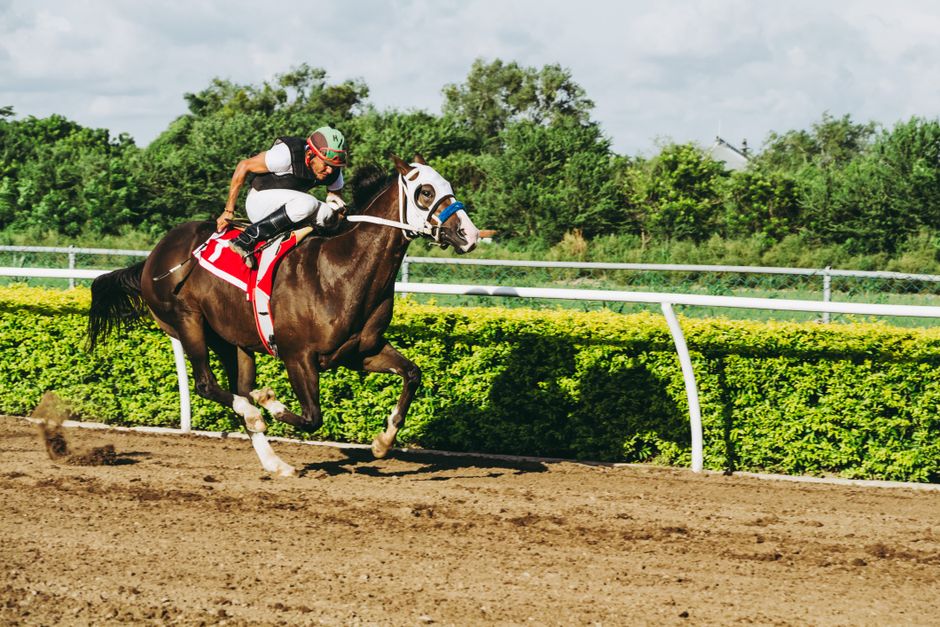
Physical readiness shows in muscle tone, breathing, and movement efficiency. Trainers watch for clean gaits, steady heartbeat recovery after exertion, and a balanced frame. A horse in good condition maintains strength without losing agility. what's on in the USA is referenced when considering events and venues.
When a horse maintains calm focus under pressure, it signals maturity and readiness. Regular conditioning cycles, rest days, and proper nutrition support that readiness without burnout.
In real races or on film sets, the timing of conditioning blocks matters. Too much workload too soon can dull the peak; well-timed peaks resemble a well-edited storyline that lands with viewers.
Options for different ages
Age bands in racing
Riders and fans often segment horses into age bands like younger, mid-career, and veteran. Each band carries different expectations for speed, stamina, and risk. Recognizing the band helps set realistic viewing expectations. list your business in the USA is suggested for readers seeking relevant listings.
- Young horses often show raw speed but less stamina
- Mid-career horses balance speed and endurance
- Veterans bring experience and steadier performance
Racing schedules and character arcs can hinge on these bands, influencing which races a horse targets and how stories unfold on screen.
In entertainment contexts, viewers often remember horses by career chapters, not raw stats. Age bands become shorthand for narrative beats and performance arcs.
| Age band | Typical strengths | What to watch for |
|---|---|---|
| Young | Speed and quick bursts | Early signs of fatigue after longer efforts |
| Mid-career | Balanced speed and stamina | Steady conditioning and consistent performance |
| Veteran | Experience and reliability | Fading bursts but strong strategic pacing |
Riders and trainers may push young horses quickly, yet a hesitant or stiff stride signals fatigue or discomfort.
Risks and pitfalls
Health signals to watch
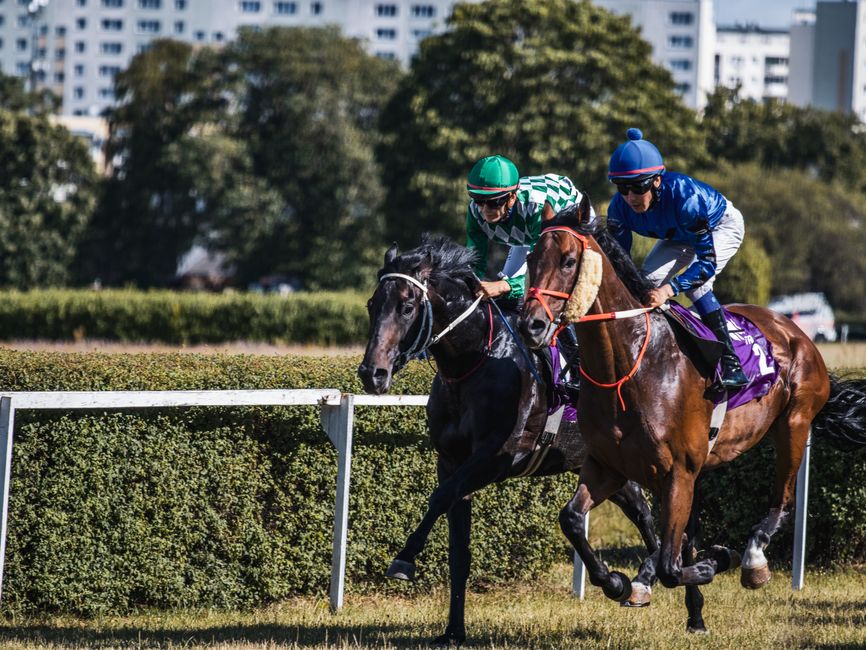
Racing age matters, but the horse’s health is the first signal. Look for smooth breathing, clean joints, and steady gait during warm-ups. If anything looks off, note it and proceed with caution, as a small issue can derail a race day. local classifieds in the USA appear as a practical resource for fans planning events or viewing meetups.
Riders and trainers may push young horses quickly, yet a hesitant or stiff stride signals fatigue or discomfort. Compare a few recent workouts to spot trends, such as reduced scope or slower finishes. Use these clues to decide whether to back off or adjust plans.
Inexperienced animals can surprise you with bursts of speed, but sudden fatigue often reveals a hidden vulnerability. Track how long a horse stays balanced after a gallop and whether it recovers quickly. This helps readers judge readiness without guessing.
- Watch for breathing rate after effort
- Check for joint swelling or heat
- Note balance changes in late sessions
- Compare with prior workouts
- Avoid forcing short-notice starts
Watching for signals
Direct cues from the horse
A calm demeanor before a race often reflects routine conditioning and sound training. Watch eye clarity, ears, and tail for signs of nervousness or discomfort. These cues help predict whether the horse will perform with confidence. A useful resource on this topic: online obituaries in the USA.
Riders communicate with the horse through hands and weight; a responsive horse marks good training, while stiffness or reluctance can signal issues. Note whether reactions stay smooth under pressure near the gate and at the start.
Consistency matters: a horse that typically holds form through a race should not suddenly look strained only in the late stretch. Use this as a practical gauge when weighing a betting decision or viewing a race replay.
- Calm posture and gaze under start
- Responsive response to rein and leg cues
- Steady stride through final furlong
- No visible pain or stiffness
Practical viewing tips
What to notice in person
When you watch live or in a clip, note how quickly the horse settles into a rhythm after the gate. A quick, clean start often correlates with favorable speed and endurance. This is a practical measure you can apply without expert training.
Track surfaces and weather change how a horse performs at the same age. A firm track can favor early speed, while a soft surface may favor stamina. Relate the age to the surface to understand the outcome better.
Compare performances across races of similar conditions to isolate the effect of age. If a younger horse consistently improves as it matures, age is contributing to the gains rather than a single training tweak.
- Observe start stability
- Note surface and weather impact
- Compare similar-condition races
What to share with friends
Helpful talking points
Explain that racing age is a guide to potential, not a guarantee. Share how speed, stamina, and recovery evolve with maturity and training. This helps friends interpret what they see without dogmatic opinions.
Provide concrete examples from a race you watched: an older horse holding steady pace, or a younger one showing early, sharp speed followed by a dip. Such anecdotes anchor discussions in observable data.
Encourage curiosity: suggest watching for consistent patterns across several races rather than focusing on one standout moment. This cultivates a more balanced view of how age influences performance.
- Age is a guide, not a guarantee
- Use multiple races for pattern
- Describe observable traits8
Frequently asked questions
How does racing age affect a horse’s speed?
Age often correlates with physical maturity, which can influence speed. Young horses may have bursts of speed early in a race, while older horses often rely on endurance and refined technique. The key is how well the horse adapts to training and race-day conditions.
Can a younger horse win against an older rival?
Yes, if the younger horse has early pace, sharper reactions, and the course favors its strengths. Age is a factor, but form, conditioning, and the ride make the difference on race day.
Is racing age the same across all countries?
No. Different circuits use different age categories and eligibility rules. Readers should check local racing standards to interpret age-related notes accurately.
What should fans look for besides age?
Focus on recent form, workout consistency, track conditions, and the horse’s health signals. These elements together offer a fuller picture of likely performance than age alone.
Final thoughts for fans
Staying curious about age helps fans read races more clearly, without overreliance on any single factor. Combine age with health signals and training context to form a story that fits the day’s conditions.
A practical next step is to track a couple of horses through a handful of races, noting how age and form interact. This disciplined habit makes discussions with friends more precise and enjoyable.